
11 Sep 2026 · Cleaning & Compliance
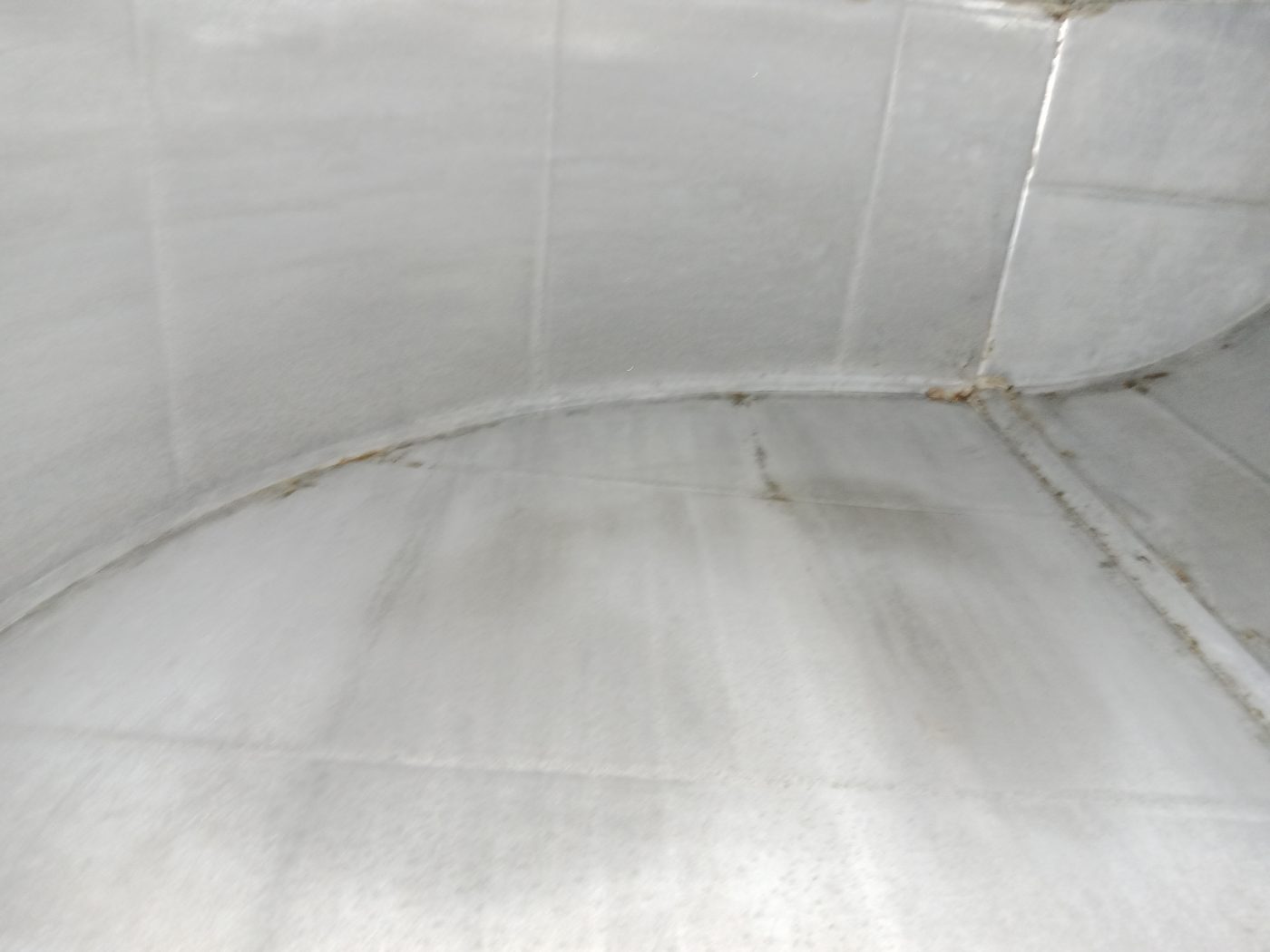
Grease deposits inside kitchen ductwork are warm, moist, food-rich and completely undisturbed, which makes the exhaust system a harbourage that floor-level pest treatment never reaches. The tell is where evidence appears: activity at ceiling level, debris on filters after a closure, or an infestation that returns on a cycle rather than reducing. Without access panels the duct cannot be inspected, cleaned or shown to be clean.
Pest control comes to your outlet, sprays the skirtings, checks the bin area, signs the docket and leaves. Six weeks later the same thing is back, in the same corner, and nobody can work out where it is coming from. The bins are managed. The floor is clean. The stores are sealed.
There is one warm, dark, food-rich space in a commercial kitchen that almost never gets opened, is almost never inspected, and is not in any pest contractor's scope: the inside of the exhaust system. The hood plenum, the duct above the false ceiling, and the fan housing on the roof. If that is where the harbourage is, nothing done at floor level will fix it.
Everyone in F&B has been told that grease in ductwork is a fire risk, and it is — the mechanism is set out in how a grease fire travels up kitchen ductwork. What gets discussed far less is that the same deposit is also a continuous, undisturbed food source at a temperature pests like.
Think about what the layer actually is. Vaporised cooking oil and protein condense on the duct wall as they cool, and the film thickens over months. It holds moisture. It traps flour, starch, sugar and small food debris carried up from the cooking line. The duct is dark, enclosed, warm for a good part of each day, and vibrates in a way that keeps most people from ever wanting to look inside it. Nobody sweeps it. Nobody sprays it. In many kitchens nobody has opened it since the fit-out.
That combination — food, warmth, moisture, darkness and total absence of disturbance — is the specification for harbourage. The exhaust system is not incidentally attracting pests. It is the best real estate in the building.
1. Behind the baffle filters. Filters get pulled and washed. The plenum behind them frequently does not, and it is where the heaviest deposits and any standing residue sit. If your cleaning routine ends when the filters go back in, you have never seen this space. What is behind there and why it matters is covered in behind the baffle filters.
2. The horizontal duct runs above the false ceiling. Horizontal runs are where deposits build fastest, because that is where gravity works against the airflow. They are also completely out of sight, sitting in a ceiling void that may itself be a pest route across several tenancies.
3. Low points and sags. Anywhere the duct dips, condensate and liquefied grease collect. A pool of that is both a fire load and a wet food source, and it is exactly what you cannot see from a hood opening.
4. The fan housing and the discharge. The fan scroll collects grease thrown off the impeller, and the discharge point outside collects whatever the airstream drops as it slows. If the discharge sits near a bin area, a drain, or another outlet's intake, you have a two-way street — the mechanism is discussed in where the duct terminates.
5. The gaps around the duct. Where the duct passes through a wall, a ceiling slab or a riser, the penetration is often left with a gap. That gap is a route from the void into the kitchen, and it does not close itself.
You can usually tell whether an infestation is a floor-level problem or a duct problem by where the evidence appears:
Whether it is a licensing inspection, an audit by a brand or a landlord's own check, the questions asked about the exhaust system tend to be the same three, and none of them is about the shine on the hood:
Can the system be inspected at all? A duct with no access panels cannot be examined, cannot be properly cleaned, and cannot be shown to be clean. This is why access panels are a compliance item and not a convenience — see duct access panels.
Is there a record? Dates, scope, who did it, and photographs of the same locations each time. A cleaning done without before-and-after records is an expense with no evidence attached, which is the whole argument in documenting exhaust cleaning.
Does the scope match the system? A quotation for "hood and filter cleaning" on a kitchen with twenty metres of horizontal duct is not a cleaned system, and the paperwork will say so on the day it matters. What a proper scope covers is set out in what a cleaning service should include.
Get the ductwork opened and looked at, not just the hood. If your system has no access panels, that is the first job, because everything else depends on it. Until someone has been inside the horizontal runs, nobody in the building knows what is in there.
Clean to a scope and a frequency matched to what you actually cook. A wok line or a fryer line loads a duct at a completely different rate from a cafe with a panini press, and the interval has to follow the loading rather than the calendar. The distinction is in grease loading on wok and deep-fry lines and the frequency question in how often to clean.
Seal every penetration. Where the duct crosses a wall, ceiling or riser, the gap should be closed properly. This is cheap, permanent, and almost always outstanding.
Tell your pest contractor the exhaust exists. Most treatment plans are written around floors, drains, bins and stores. If nobody has told them there is an uninspected warm void running the length of the kitchen, they will keep treating the part they were shown.
Look at where your discharge and your intake sit. A discharge that terminates near a bin store, a drain or a neighbouring intake creates a problem for somebody, and if the somebody is you, it comes back down your own fresh air path.
If you have taken over an existing unit, the exhaust system came with the lease and nobody surveyed it. Every deposit in it belongs to the previous operator's cooking and every gap in it belongs to their fit-out — but the inspection, and the pest problem, are now yours. Opening the duct before you sign, or in the first week if you already have, is the cheapest survey in the whole fit-out. That is the argument in checking the existing exhaust when you take over a unit.
If this describes your kitchen and you want the system opened and looked at properly, WhatsApp us on 8989 2833 — tell us the type of premises, what you are seeing and when the system was last cleaned, and we will tell you what needs to be opened before anyone quotes a treatment. Our exhaust cleaning and maintenance pages set out what the work covers, and scope and pricing follow a site survey.
Also worth reading: reopening after a long closure: what to check on the kitchen exhaust before you cook
We design, clean, repair and maintain commercial kitchen exhaust systems across Singapore — on 24/7 standby.