
27 Jul 2026 · Cleaning & Compliance
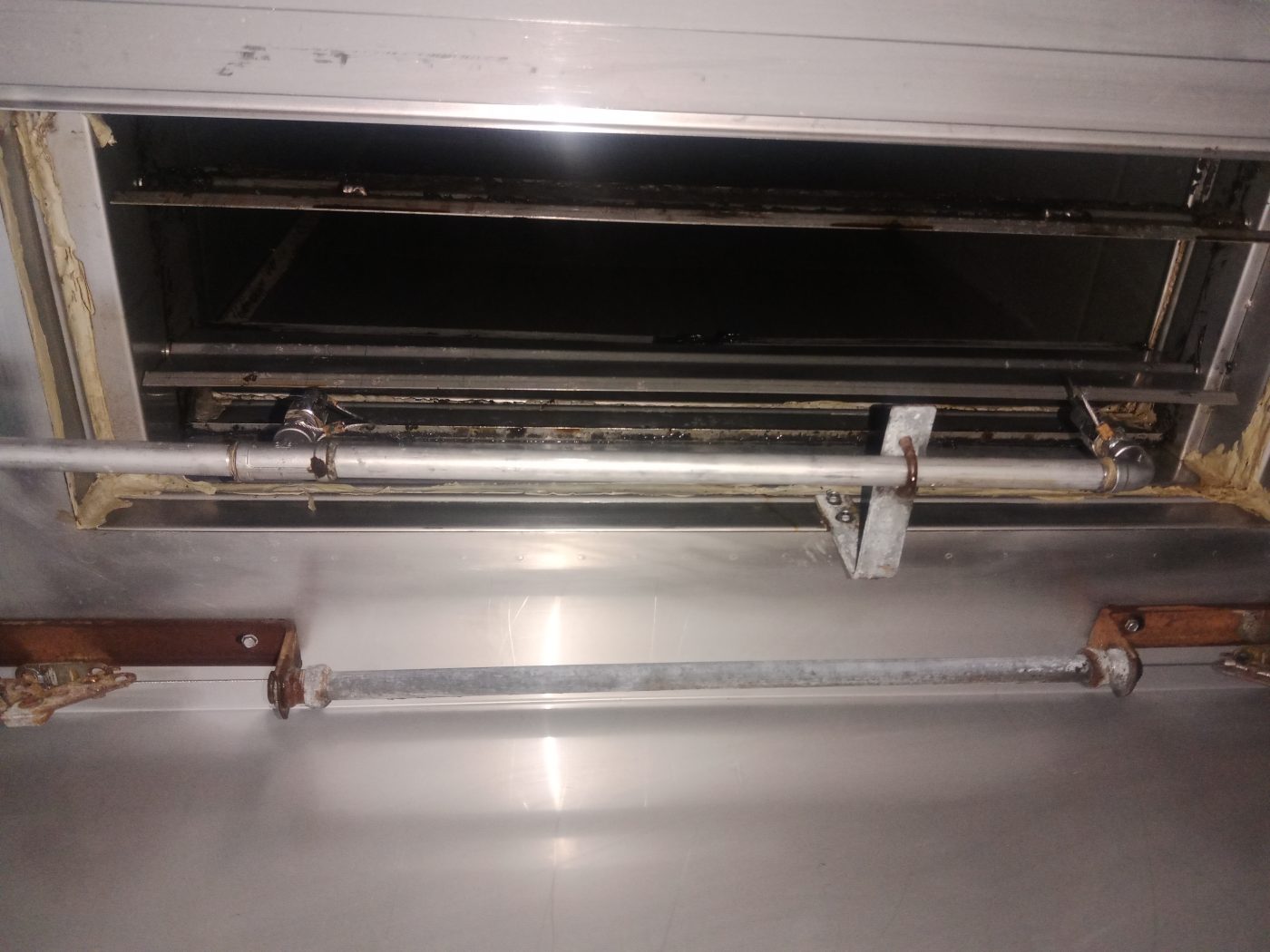
Before-and-after documentation for kitchen exhaust cleaning creates a timestamped, photographic record that proves grease removal was thorough — protecting your NEA licence, satisfying insurers, and giving you a defensible paper trail if a fire investigation or audit ever asks what was done and when.
When we arrive to clean a commercial kitchen exhaust system, the first thing we do before touching a single panel or duct is take photographs — every hood, every filter bank, every accessible duct section. When we leave, we do it all again. This isn't bureaucratic box-ticking. In our experience, that before-and-after documentation is one of the most valuable things we hand over to a client, and it can make a real difference when regulators, insurers or building management come knocking.
At its most basic, it means timestamped photographs taken before cleaning begins and again once the work is done. But good documentation goes further than snapshots. When we complete a job, our report typically covers:
Think of it as a medical report for your exhaust system — not just proof that we showed up, but evidence of what we found and what we did about it.
In Singapore, NEA requires food operators to maintain their kitchen exhaust systems in a clean and serviceable condition. SCDF's fire code also has clear expectations around grease management in kitchen exhaust ductwork, because accumulated grease is a primary fuel source for kitchen fires that spread into ducting. Neither authority requires a specific documentation format that we're aware of — we always confirm the exact current requirement with the relevant authority before quoting — but what's consistent is this: if an officer inspects your premises and asks when the system was last cleaned and by whom, you need to be able to answer with something more than a verbal recollection.
A proper before-and-after report gives you that answer in writing, with photographs attached. On more than one occasion, a client has called us after receiving a notice from an authority, and the first thing we've asked is: "Do you have records from your previous cleaning contractor?" More often than not, the answer is no — and that gap in paperwork causes unnecessary stress. When we do the job, that problem doesn't arise.
This is an area many kitchen operators don't think about until it's too late. Commercial kitchen insurance policies, particularly those covering fire damage, almost always include clauses about maintenance obligations. If a grease fire starts in your ductwork and an assessor determines the system hadn't been properly maintained and cleaned, your claim could be reduced or rejected outright.
Showing an insurer a dated cleaning certificate with photographic evidence — demonstrating that grease was removed to a reasonable standard at regular intervals — puts you in a far stronger position. The documentation doesn't guarantee a payout, but the absence of it can be used against you. We've heard enough stories from clients who switched to us after a difficult insurance experience to take this seriously.
Absolutely. Many commercial landlords — particularly in hotel basements, food courts and mixed-use developments — require tenants to submit cleaning records at set intervals. Some building management offices specify minimum cleaning frequencies and ask for proof. If you're running a restaurant in a building where other tenants share the exhaust riser, the building manager has every right to want evidence that your section isn't the one loading grease into the shared system.
We work with clients across all these settings — standalone restaurants, hotel kitchens, hawker centre operators, institutional canteens — and in each case, having a clean, signed-off documentation trail keeps the relationship with management smooth and professional.
You can photograph before and after — and if your in-house team is doing interim cleaning on accessible hoods and filters, we'd encourage you to do exactly that. But for a full duct clean, the documentation needs to reflect what was actually done, at what depth, by whom, and with what. If the person who did the cleaning also produced the documentation, an auditor has no independent verification.
When we produce a report, it comes from us — a specialist contractor, not the operator. That independence carries weight. It's the same reason a restaurant doesn't self-certify its own food hygiene grade.
We also document things your own team might not know to look for: early signs of fan motor wear, cracks in plenum joints, corrosion on dampers, or a UV lamp bank that's past its effective service life. Those observations in a written record become your early warning system — and they're part of why we photograph more than just the clean surfaces.
As a working guide, we tell clients to retain records for at least two to three years — long enough to cover the typical window of a regulatory inspection, an insurance review or a tenancy audit. Some clients keep records going back further, which is never a bad idea.
Cleaning frequency itself depends on your cooking volume and grease load. A high-volume wok kitchen producing heavy smoke needs more frequent cleaning than a light-cooking café. We help our clients work out the right schedule during our initial assessment, and the documentation we produce at each visit becomes the ongoing log of that schedule. Over time, you can actually see whether your system is getting dirtier faster — which can signal a change in operations, a failing filter, or a ventilation imbalance that needs addressing.
We produce timestamped photographs alongside a written service report with job details, findings and a signed certificate. A PDF record you can file digitally and produce on demand is perfectly adequate. The key is that it's independently produced, dated accurately and specific to your system — not a generic template with your name filled in.
We document every job we do, regardless of scope. Whether we're servicing your hood filters and grease trays, cleaning an accessible duct section, or conducting a full deep clean from hood to fan, you receive a report and photographs each time. We don't do jobs without a paper trail — it protects you and it protects us.
It can and often is. In the event of a kitchen fire, investigators will look at maintenance records as part of determining cause and liability. Having a clear record showing the system was professionally cleaned to a reasonable standard, with dated photographs, is a meaningful piece of evidence in your favour. We always recommend keeping physical or cloud-backed digital copies, not just an email in your inbox.
Unfortunately, it's more common than it should be. Some operators accept a verbal assurance or a basic receipt and assume that's enough. It isn't — and we see the consequences when clients switch to us and realise they have no records to show. We'd encourage anyone in that position to start fresh with a documented baseline clean so you have a proper starting point going forward.
We design our reports to be thorough and useful for compliance purposes, and our work is carried out in line with NEA, SCDF and BCA requirements. That said, specific regulatory requirements can change, and we always verify current expectations with the relevant authority when there's any ambiguity. If you have a specific compliance requirement from an authority or your insurer, let us know and we'll make sure our documentation covers it.
If you'd like to get your exhaust system cleaned and properly documented — or if you've realised your current records have gaps — give us a call or send us your details for a quotation. Our team is on standby 24/7, so whether it's a scheduled service or an urgent situation, we're ready to help.
Related: this is the record that closes an inspection finding fastest — see what happens after a failed kitchen exhaust inspection.
We design, clean, repair and maintain commercial kitchen exhaust systems across Singapore — on 24/7 standby.