
13 Sep 2026 · Cleaning & Compliance
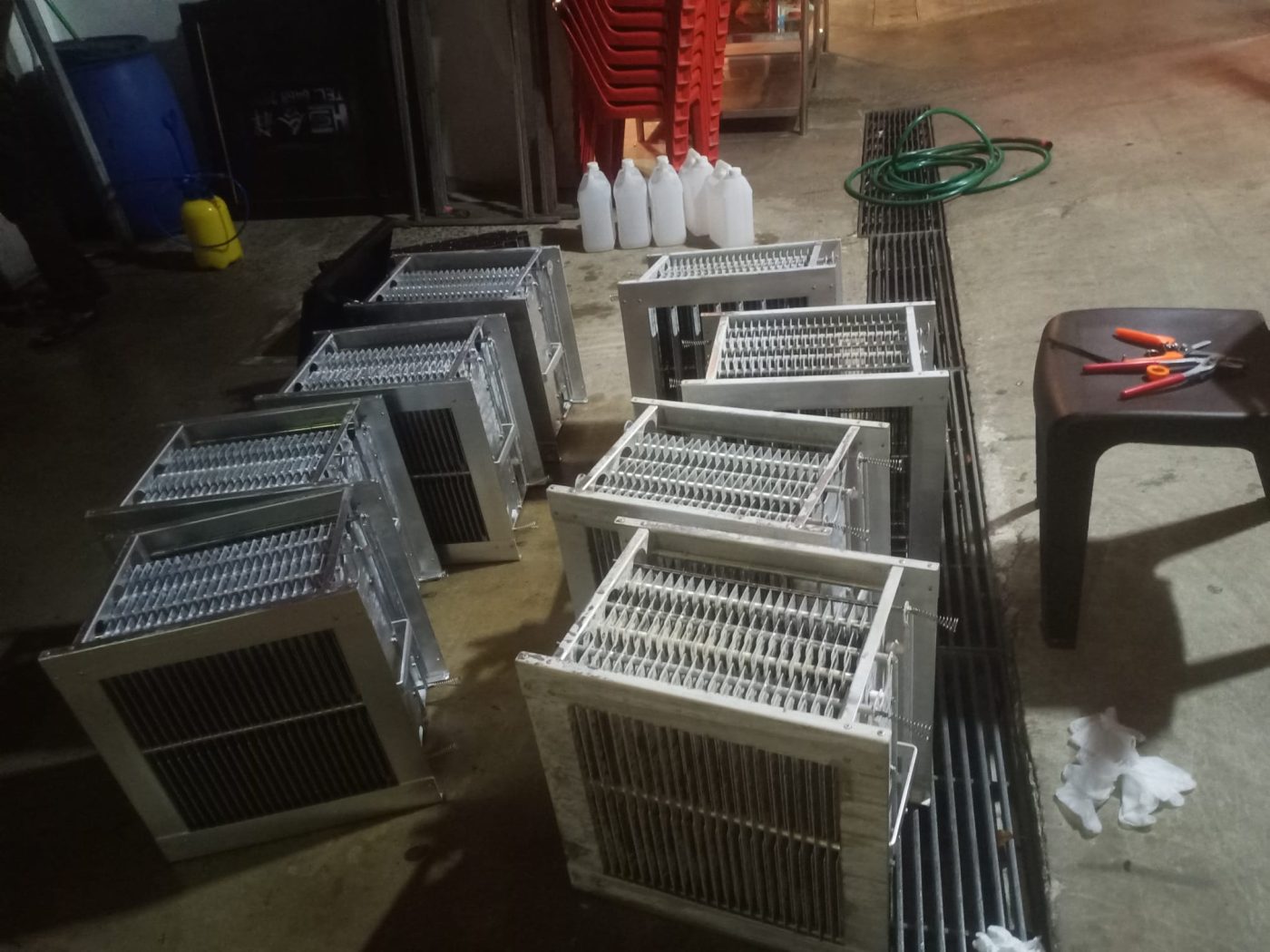
When changing a kitchen exhaust cleaning contractor, collect every past report, landlord requirement and open inspection finding before giving notice, and book the new contractor's first clean for the date the next one was due so there is no gap. Treat that first clean as a baseline survey of the whole system - hood, plenum, ductwork, fan and make-up air - with a photograph for every finding and a clear list of any section that could not be reached.
Most operators do not change their exhaust cleaning contractor because of one bad visit. They change because of a slow build-up of small doubts: the filters come back shiny but the kitchen still feels smoky, the report is two photographs of a hood, the fan on the roof has never been mentioned, or an inspection turns up grease in a system that has supposedly been cleaned every quarter.
Changing is straightforward. Changing well is not, because the switch is the one moment you get to find out what the old arrangement actually left behind, and most people waste it. This is how to use it.
When we are called in to take over from another contractor, the problem is rarely that the previous crew did not work hard. It is that they worked hard on the parts of the system that can be seen. The contractors who look cheap are often cheap for a reason: they were not getting into the full duct run, were not using chemicals that cut through heavy deposits, and were not writing down the defects they saw.
The signs that point to a scope problem rather than a bad night:
A gap we find again and again when a client switches to us is not grease. It is records. The operator has been paying for cleaning for years and has nothing to show for it except invoices. Do this before the relationship ends, because afterwards nobody is motivated to help you.
The quiet risk in changing contractors is a lapse. The old contract ends, the new one takes a few weeks to arrange, and a heavy wok, grill or deep-frying kitchen that needed monthly cleaning goes two or three months between visits. That is two or three times the interval the system was meant to be on, in the very period you were trying to put things right.
Work backwards from when your next clean would have been due under the current arrangement, and book the new contractor's first visit for that date or earlier. Bringing the first visit forward is the cautious choice. A gap undoes the one thing the whole exercise was meant to fix.
A contractor who quotes without seeing the system is quoting for a system they have imagined. Before anyone gives you a figure, they should have walked the route the duct takes, from the hood to wherever it leaves the building, and they should know:
We inspect before recommending a cleaning interval for exactly this reason. The frequency that suits your kitchen depends on what you cook and how much, not on what the last contract happened to say.
Treat the first visit from a new contractor as a baseline. On a system that has been under-cleaned it can need a longer window than the visits that follow, because it is removing whatever the old regime left behind and heavily soiled systems take longer. That is normal. What matters is that it ends with an honest record of the whole system, section by section.
Measure it against the ten points on our kitchen exhaust servicing checklist, which we publish precisely so that any contractor's scope can be checked against it, including ours. In summary:
Because the same grease that loads the duct also fouls suppression nozzles and fusible links, it is worth asking whether suppression servicing can be done on the same visit rather than as a separate shutdown.
A first report on an inherited system will almost always contain findings. That is the point of it. It is also the moment a less scrupulous contractor can turn a clean into a repair bill, so read it with two questions in mind.
Is every finding shown, not just stated? Each defect should have a photograph from a location you can identify. A worn bearing, a corroded duct section or a damaged panel is visible. "System in poor condition" with no picture is an opinion.
Which findings are about safety, and which can wait? Ask the contractor to sort the list. Grease that could not be removed, a section that cannot be reached and a fan running rough belong at the top. Cosmetic items belong at the bottom. A contractor who cannot or will not rank their own findings is telling you something.
Two other things are worth doing. Compare the new photographs with the old reports, location by location; if the first honest clean shows heavy deposits in places the old reports showed as clean, you now know what you were paying for. And keep the whole report, because it is the baseline every future visit and every inspection will be judged against. Why that record carries weight with inspectors, insurers and landlords is covered in why before-and-after documentation matters.
The baseline clean resets the system. The second visit is the one that tells the truth about your kitchen. If the same sections come back heavily loaded at the next scheduled clean, the interval is too long for what you cook, or one station is producing more grease vapour than the system was designed around. If they come back light, the interval may be more than you need.
Most commercial kitchens need cleaning every one to three months: heavy wok, grill and deep-frying kitchens often monthly, lighter kitchens quarterly. Where you sit in that range should be decided by what the first two reports show, not by a number carried over from the old contract. The frequency picture is set out on how often a kitchen exhaust must be cleaned, and what your own team does between visits changes it too, as described in the daily routine that decides what the deep clean costs.
If you can, see one documented clean before committing to a long contract. It tells you how the crew works, what their reports look like and whether they write down what they could not reach. When you do sign, the points in what to check before signing a kitchen exhaust service contract still apply: who actually does the work, how breakdowns are handled, and whether repairs found during a visit are in or out of scope.
If you are thinking of changing your exhaust cleaning contractor, WhatsApp us on 8989 2833 — tell us what you cook, when the system was last cleaned and what your last report said, and we will tell you what a first clean would need to cover. Our kitchen exhaust cleaning and maintenance pages set out what the work includes, and scope and pricing follow a site inspection. Our crews are in-house and on standby 24/7.
We design, clean, repair and maintain commercial kitchen exhaust systems across Singapore — on 24/7 standby.