
11 Jul 2026 · Cleaning & Compliance
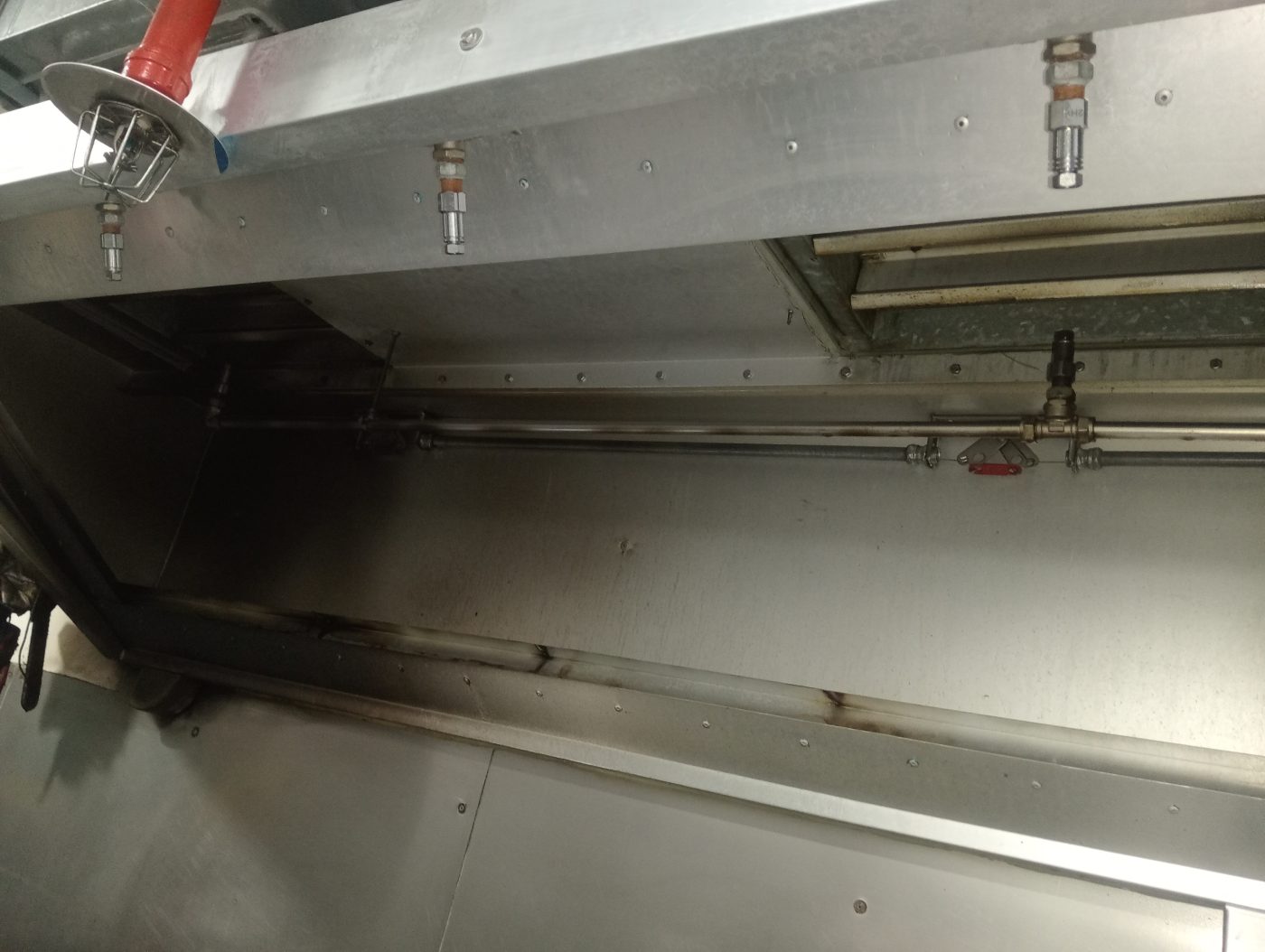
NEA expects commercial kitchen exhaust systems in Singapore to provide adequate ventilation, control grease and odour emissions, and be maintained in a clean, serviceable condition. Ducting, fans, grease filters and discharge points must all meet prescribed standards. We always confirm exact requirements with the authority before any installation or major works.
When clients ask us what NEA actually wants from their kitchen exhaust system, we usually tell them the same thing: it is less about memorising clause numbers and more about understanding the intent behind the rules. NEA's concern is straightforward — your kitchen exhaust must remove heat, grease-laden air and cooking odours effectively, discharge cleanly, and not become a fire or nuisance hazard to the people around you. Here is what that looks like in practice, from our perspective as the people who design, build, clean and repair these systems every day.
Commercial kitchens produce enormous amounts of grease-laden vapour, heat and odour in a very short time. Without a properly designed exhaust system, that vapour condenses inside your ductwork, creating a thick layer of grease that is both a serious fire hazard and a breeding ground for bacteria. On top of that, untreated cooking fumes discharged carelessly can cause odour nuisance to neighbouring properties — which is exactly the kind of complaint NEA is called in to investigate.
We have attended sites where a simple complaint from an upstairs neighbour has triggered a formal NEA inspection. The first thing an inspector looks at is whether the exhaust system is adequate for the cooking load, whether it is clean, and whether it is discharging in an approved manner. If your system fails on any of those counts, the consequences range from rectification notices to suspension of operations.
This is where the technical side comes in. NEA's environmental health requirements generally tie kitchen ventilation to the concept of sufficient air changes and airflow velocity to capture and remove cooking effluents at the source. In practical terms, that means:
We always confirm the exact airflow requirements with the relevant authority before quoting on a new installation, because the specifics can vary depending on your food type, cooking method and premises classification.
Grease filters are not optional — they are the first line of defence between your cooking equipment and your ductwork. NEA expects them to be present, correctly fitted and regularly maintained. In our experience, this is where many operators fall short, not because they are careless, but because no one has explained how quickly grease filters saturate in a busy kitchen.
For high-volume cooking operations — think hawker-style wok cooking or central kitchens running multiple shifts — filters can become heavily loaded within days. A clogged filter restricts airflow, reduces hood capture efficiency and dramatically increases the fire risk inside the duct. We recommend a filter inspection and cleaning schedule that matches the actual cooking load, not a generic calendar date.
Beyond filters, grease collection cups and drip trays must be emptied regularly. Grease pooling in a duct or at the base of a filter bank is a direct fire risk and will be flagged immediately in any NEA inspection.
Where your exhaust air exits the building matters enormously. NEA's environmental health framework addresses odour nuisance seriously, and complaints from the public carry real weight. The key requirements we work around include:
We have helped many operators in shophouse rows and mixed-use buildings resolve odour complaints through a combination of improved duct routing, carbon bank treatment and discharge relocation — without rebuilding their entire kitchen.
Compliance is not a one-time event. NEA's position is that kitchen exhaust systems must be maintained in a condition that allows them to function as intended. That means regular cleaning of ductwork, hoods, fans and filters — and being able to demonstrate that cleaning has been carried out.
We issue detailed service reports after every cleaning job, documenting the condition of the system before and after, grease accumulation levels and any defects we find. These records matter. If an NEA inspector visits your premises, being able to produce a maintenance log from a licensed contractor is a strong indicator of a well-managed kitchen.
For duct cleaning specifically, the frequency depends on your cooking volume and food type. High-grease operations — charcoal grills, wok stations, duck roasting — need more frequent cleaning than a light café kitchen. We assess this during our first visit and give you a realistic schedule, not a blanket recommendation.
Rectification notices are the most common outcome, and they come with a deadline. In cases involving fire risk — heavy grease accumulation in ductwork, for example — SCDF may also be involved. We have assisted clients in responding to both NEA and SCDF notices on an urgent basis, which is why our 24/7 standby service exists. When a notice lands on a Friday afternoon, you cannot wait until Monday.
Beyond official notices, a non-compliant exhaust system affects your daily operations: poor capture leads to a greasy, uncomfortable kitchen; restricted airflow overloads your fans and shortens their lifespan; and odour complaints can damage your relationship with your building management or landlord long before NEA gets involved.
NEA expects kitchen exhaust cleaning to be carried out properly and at appropriate intervals, and being able to demonstrate this — through documented records from a competent contractor — is important during any inspection. We issue full service reports after every job, which serve as your compliance documentation. We always advise clients to confirm the specific licensing requirements applicable to their premises type directly with NEA, as requirements can vary.
There is no single fixed interval that applies to every kitchen. In our experience, high-volume or high-grease operations — wok cooking, charcoal grilling, roasting — may need duct cleaning every one to three months. Lighter operations might manage with a quarterly or semi-annual schedule. We assess the actual grease load during our service visits and recommend a frequency based on what we find, not a generic figure.
Yes, in most cases. We retrofit carbon filtration banks and UV treatment systems into existing ductwork regularly. We fabricate and stock these components ourselves, which means we can move quickly once we have assessed your system. The feasibility depends on your available duct space and discharge configuration, so we always carry out a site assessment first.
Call us. Rectification notices come with deadlines, and the worst thing you can do is wait. We will visit the site, assess what the notice requires, carry out the necessary works — whether that is a deep clean, duct repair, fan replacement or discharge modification — and provide you with the documentation you need to respond to NEA. Our standby team operates around the clock for exactly this kind of situation.
The underlying principles — adequate ventilation, odour control, fire safety — apply across all food premises. However, the specific requirements and the way they are enforced can differ depending on the premises classification, the managing authority (some hawker centres fall under NEA's direct management) and the cooking load involved. We always confirm the exact requirements before starting any design or installation work on a new premises type.
If you are unsure whether your kitchen exhaust system meets current NEA expectations — or if you have received a notice and need to act fast — get in touch with us for a site assessment and quotation. We are available 24/7, and we will give you a straight answer on what your system needs.
Related: Designing a compliant commercial kitchen ventilation system — how cooking type, capture velocity, duct sizing, makeup air and the NEA/SCDF/BCA requirements fit together.
Related: Taking over an F&B unit — the six checks to make on an existing kitchen exhaust before you sign the lease.
See also: coffee shop and hawker stall exhaust - what is different.
Related: holding a report with findings on it? See your kitchen exhaust failed an inspection: what happens next.
We design, clean, repair and maintain commercial kitchen exhaust systems across Singapore — on 24/7 standby.