
10 Jul 2026 · Operations & Cost
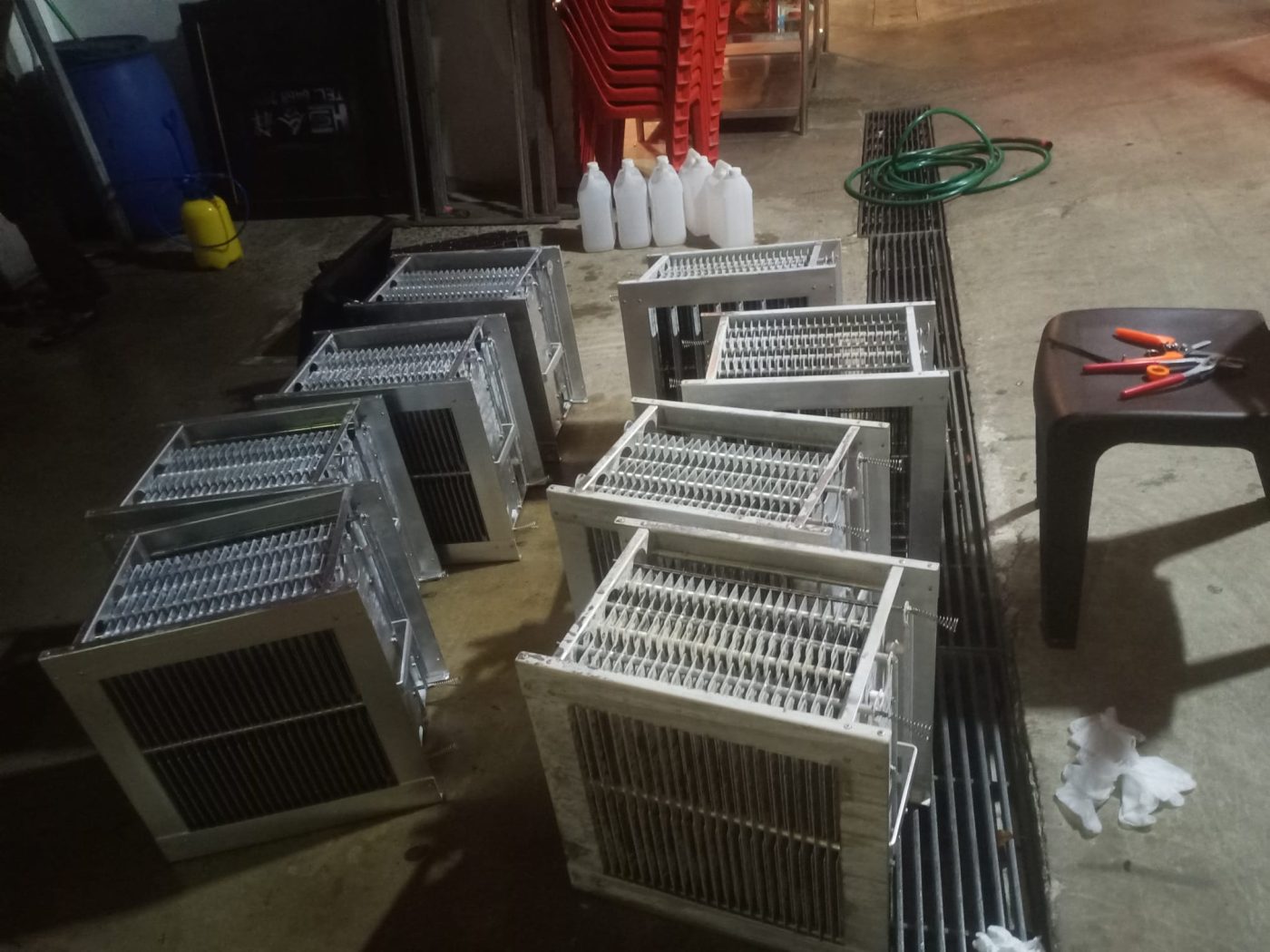
Neglecting kitchen exhaust maintenance exposes Singapore operators to grease fire risk, NEA and SCDF enforcement, compressor burnout and costly emergency repairs — easily exceeding tens of thousands of dollars. Regular cleaning and servicing by a qualified exhaust specialist is almost always the cheaper option, and the safer one.
We hear it more often than we should: "We'll get to the cleaning next quarter." In our experience, that sentence costs kitchen operators far more than any maintenance contract ever would. Neglecting your commercial kitchen exhaust system is not a neutral decision — it is a slow accumulation of grease, heat, risk and liability that eventually collects its debt all at once, usually at the worst possible moment.
Most people think of kitchen exhaust maintenance as a hygiene issue. It is — but that is the least of your worries. When a system goes uncleaned and uninspected, here is what we typically find when we finally do get called in:
None of this is immediately visible from the kitchen floor. That invisibility is exactly what makes it dangerous.
This is the part we want every kitchen operator to understand clearly. Grease is fuel. A duct lined with accumulated grease deposits is essentially a fuel reservoir running through your ceiling and walls. All it takes is a temperature spike — a flare-up at the wok station, an unusually intense service — and that grease can ignite inside the duct itself.
A grease duct fire is not like an ordinary kitchen fire. It travels. It is enclosed, oxygen-fed by the very airflow the system is designed to produce, and it can break through into wall cavities and ceiling voids before your suppression system has any chance to respond. We always confirm exact suppression and maintenance requirements with SCDF before quoting any job, because the specifics matter — but the principle is universal: a clean duct is a safe duct.
On one kitchen we were called to after a duct incident, the operator had not had the system professionally cleaned in well over a year. The cost of that single event — repairs, regulatory follow-up, lost trading days — dwarfed years' worth of routine maintenance fees. We see this pattern repeatedly.
Singapore's regulatory environment for commercial kitchens is serious, and rightly so. NEA, SCDF and BCA each have jurisdiction over different aspects of your exhaust and ventilation system. Failures in maintenance can attract enforcement notices, fines, mandatory rectification orders and, in serious cases, suspension of food establishment licences.
Beyond the immediate penalties, there is the cost of emergency rectification work done under pressure. When an operator receives a notice and needs a contractor immediately, they lose all negotiating leverage. Work that could have been planned and scheduled at a reasonable rate becomes an urgent, overtime job. We have been called in to help operators in exactly that situation, and while we always do our best to get things right quickly, we are honest with them: this would have cost you less, and caused you far less stress, if we had been here six months ago.
The fire risk and compliance angle gets attention, but there is also a steady, quieter drain on your operating costs that begins long before any crisis point.
When we service a commercial kitchen exhaust system, we are not just wiping down the canopy. A proper maintenance programme covers the full system: canopy and filters, internal ductwork (accessed via inspection panels or, where needed, our own fabricated access doors), fan housing and blades, motor condition and current draw, UV lamp output, carbon bank condition, and control panel operation including any variable speed drives.
We use our own BC Air chemical series for degreasing — formulated for the grease loads we actually encounter in Singapore commercial kitchens — and we carry out all work in-house with our own engineers. No subcontracting. That matters because the person who cleaned your duct last time is the same person who can tell you whether it was worse or better than six months ago. Continuity of knowledge is part of the service.
For clients who need it, we structure maintenance programmes around their kitchen's actual grease load and operating hours — a high-volume wok kitchen needs more frequent attention than a light-use institutional canteen, and we schedule accordingly.
It depends on your cooking volume and methods. High-intensity operations — wok cooking, charcoal grills, heavy fryer use — typically need cleaning every one to three months. Lighter operations may stretch to quarterly or biannual schedules. We assess each kitchen individually rather than applying a single blanket frequency. The right interval is one that keeps grease deposits below a level that creates fire or airflow risk — and we can tell you where your kitchen sits after an initial inspection.
You can, and you should keep your filters clean between professional services — that is good practice. But the canopy and filters are only the front end of the system. The ductwork behind them, the fan housing, the motor and the odour-control components are where grease accumulates out of sight and where the serious risks develop. Those sections require professional access, correct chemical degreasing and a technical eye. A clean canopy with a grease-laden duct behind it is still a fire risk.
Contact us immediately. We offer 24/7 standby service for exactly these situations. We will inspect the system, advise on what rectification is needed, and carry out the work as quickly as possible. We can also help you document the remediation for submission to the relevant authority. That said, we would much rather be on your maintenance schedule before a notice arrives — the outcome is always better for everyone.
Almost always, yes — and often significantly so. Motor replacements, emergency duct repairs, after-hours callouts and regulatory rectification work all carry higher costs than a planned maintenance programme. Add in potential fines, lost trading days and the stress of managing an urgent compliance situation, and the arithmetic is clear. We have never had a client tell us their maintenance contract cost more than the breakdown it prevented.
We handle everything — design, fabrication, installation, cleaning, repair and ongoing maintenance — all in-house with our own engineers. We fabricate and stock our own components, including motors, MV fans, control panels, variable speed drives, carbon banks and UV systems. If something needs replacing, we are not waiting on a third-party supplier or subcontractor. That means faster turnaround and a single point of accountability for your entire system.
If you are unsure when your system was last properly serviced — or you know it has been too long — reach out to us for a quotation. We will give you a straight assessment of where things stand and what needs doing. Our 24/7 standby team is always available if you need us urgently, and our maintenance programmes are designed to make sure you never do.
We design, clean, repair and maintain commercial kitchen exhaust systems across Singapore — on 24/7 standby.