
20 Jun 2026 · Repair & Equipment
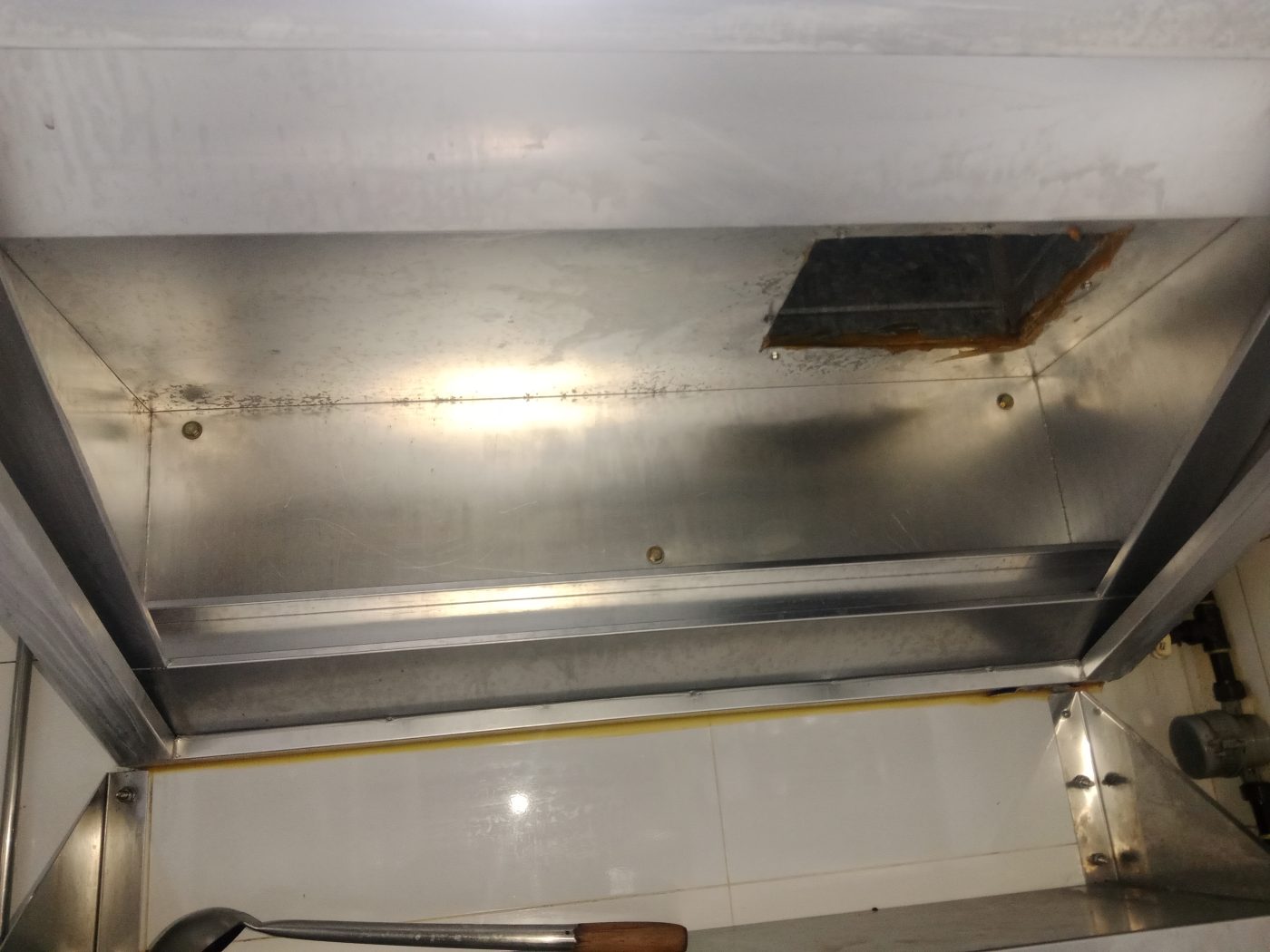
We stock electric motors, MV fan parts, variable speed drives and control panel components in-house so that when your kitchen exhaust system fails, we can respond, source and repair in a single visit — not in days. For a commercial kitchen, downtime is lost revenue and a compliance risk.
When a kitchen exhaust fan stops working in the middle of a dinner service, the kitchen does not wait politely. Cooking stops, smoke builds, and within a short time the operator is looking at a potential fire safety issue and a very unhappy team. We have seen it more times than we can count. The single biggest factor in how quickly we resolve it is whether the right part is on the van — and that is exactly why we made the decision years ago to fabricate and hold our own stock of motors, fans and components rather than rely on outside suppliers.
It is not simply a shelf of spare parts. We stock electric motors across common frame sizes, MV fans and their individual components, variable speed drives, control panels, bearings, belts, pulleys and associated fixings. These are not generic off-the-shelf items we have ordered in bulk from a catalogue. They are components we have selected, tested and in many cases fabricated ourselves to suit the types of systems we install and maintain across Singapore's commercial kitchens, hotels, food courts, central kitchens and institutional canteens.
When we get a callout, our technicians arrive with a working knowledge of what is likely to have failed and a reasonable chance of carrying the replacement part with them. That shortens a two-day repair into a same-day fix. For a restaurant or hotel kitchen, the difference between those two outcomes is enormous.
A commercial kitchen exhaust system runs hard. Depending on the operation, a motor and fan assembly may be running for twelve to sixteen hours a day, seven days a week, in a hot, humid, grease-laden air stream. Grease accumulates on fan blades and creates imbalance. That imbalance puts stress on bearings. Bearings wear, the motor works harder to compensate, temperatures rise, and eventually something gives.
None of these failure modes are unusual. They are the everyday reality of running exhaust equipment in a commercial kitchen. Which is exactly why having stock on hand is not a luxury — it is part of how we do the job properly.
We are not dismissive of other approaches, but we will be honest about what we have seen when operators call us after another contractor has told them a part needs to be ordered in. The part arrives in a few days, sometimes longer if it is coming from overseas. Meanwhile the kitchen is either not operating at full capacity, running without proper exhaust — which creates fire risk, odour issues and potential NEA and SCDF compliance problems — or the operator has rigged a temporary workaround that creates its own hazards.
On one kitchen we were called to assess, the exhaust fan had been partially non-operational for nearly two weeks while a part was awaited. The grease filters and ductwork had not been cleaned during that period either because the reduced airflow made the cleaning schedule meaningless. By the time we got there, the fire risk in that duct run was considerable. We resolved the motor issue the same day using our own stock and scheduled a priority clean.
We think it works in the customer's favour over time. A fast repair means less downtime, which means less lost revenue for the operator. It also means we are not marking up a panic-ordered part from a distributor. We know what our components cost because we have sourced and in some cases fabricated them ourselves. That gives us cleaner, more predictable pricing when we quote for a repair.
There is also a longer-term benefit. Because we hold and use these components regularly, we know how they perform. We are not fitting a motor we have never worked with before and hoping it runs well in your extract system. We know our stock because we install it, service it and — when something does go wrong — we are the ones answering the 24/7 standby line at two in the morning to come and fix it.
Holding our own stock is part of a broader decision we made to keep everything in-house. We do not sub-contract our installations, our cleaning, our repairs or our maintenance. The same team that designs and builds a system is the team that services it. When a motor goes down, the technician attending knows the system because we installed it. They know which motor frame size is in there, how the control panel is wired, and where to look first.
We also carry our own BC Air chemical series for degreasing, our own carbon banks and germicidal UV systems. It is the same principle — if we are going to do this work properly, we need to control the materials we use, not depend on whatever a supplier has available on the day.
For our customers — restaurants, hotels, food courts, central kitchens, institutions — this means a single point of accountability. If something is not right, you call us, and we sort it.
We stock electric motors across common frame sizes suited to commercial kitchen exhaust duty, MV fans and their individual components including impellers and housings, variable speed drives, control panel components, bearings, belts and pulleys. If a component we need is not in our current stock, we will tell you honestly and give you a realistic timeline. We always confirm exact specifications against the installed system before ordering anything.
In most cases, yes — particularly for motor and fan component failures on systems we maintain. We run a 24/7 standby service precisely for situations where a kitchen cannot afford to wait. If the fault is something that requires a part we do not currently hold, we will be upfront about that and work as fast as we can to source it. We will never tell you a job is done when it is not.
It can, yes. A commercial kitchen exhaust system that is not functioning correctly may fall short of NEA ventilation requirements and creates a fire risk that SCDF would take seriously. We always advise operators to treat exhaust system failures as urgent rather than something that can wait a few days. We confirm the exact regulatory requirements with the relevant authority whenever there is any ambiguity, rather than guess.
No. We take on repair and maintenance work for systems installed by others. When we first attend an unfamiliar system, we do a proper assessment before we quote — we need to understand what is there before we can tell you what it needs. Because we fabricate and stock our own components, we can often match what is already installed or recommend a suitable replacement if the original specification is no longer appropriate.
We recommend including motor and fan inspection as part of every scheduled maintenance visit, not as a separate exercise. In a high-volume kitchen — a busy hotel kitchen or central production kitchen, for example — we would want to be checking bearing condition, belt tension, blade balance and motor amperage draw at least every few months. Catching wear early is far cheaper than an emergency replacement during a service.
We design, clean, repair and maintain commercial kitchen exhaust systems across Singapore — on 24/7 standby.