
21 Jul 2026 · Operations & Cost
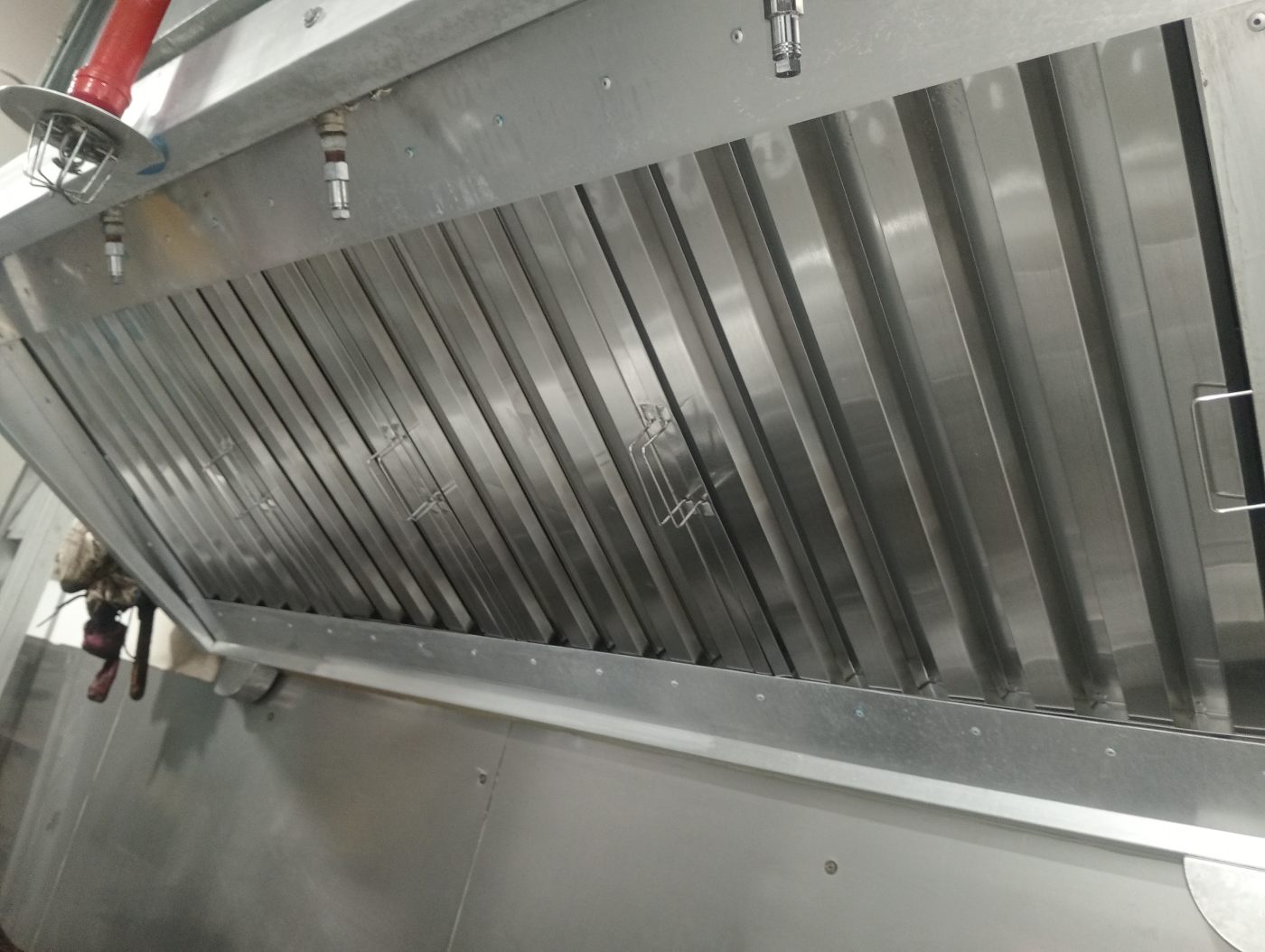
A proper kitchen ventilation maintenance contract should cover scheduled exhaust hood and duct cleaning, fan motor inspection, grease trap checks, filter servicing, carbon and UV system maintenance, compliance documentation for NEA and SCDF, and 24/7 emergency response — all carried out by the same in-house team, not subcontractors.
When a client calls us asking about a maintenance contract, the first thing we ask is: what are you actually getting for your money? It's a fair question, and one that too many kitchen operators can't answer about their existing agreement. A good ventilation maintenance contract isn't just a piece of paper that keeps NEA inspectors happy — it's a structured programme that protects your kitchen from grease fires, equipment failures and unplanned downtime. Here's what we believe every contract should cover, based on the systems we design, build and maintain every day.
The honest answer is that compliance is just the floor, not the ceiling. Yes, NEA and SCDF have requirements around exhaust system cleanliness and fire safety, and a maintenance contract helps you meet them. But the real value is operational. A grease-laden duct that hasn't been properly cleaned is a fire waiting to happen. A fan running on worn bearings is going to fail — usually during a lunch rush, never at 2am when nobody's around. We've pulled motors out of systems that had never been inspected and found them running so hot the insulation was discoloured. That's not a compliance issue yet, but it becomes a very expensive one very quickly.
A well-structured contract keeps those risks in front of you, not behind you.
This is the heart of any contract, and it's where corners get cut most often. Proper exhaust cleaning isn't just wiping down the hood face. Here's what we include in our scheduled cleaning scope:
Cleaning frequency should reflect your actual cooking load — a high-volume wok kitchen and a café are not the same. We set cleaning intervals based on what we see when we open the system, not on a generic quarterly schedule that suits the contractor's calendar.
Your exhaust fan is the engine of the whole system. If it underperforms, everything downstream suffers — airflow drops, grease accumulates faster, odours escape into the dining area. A proper contract should include regular inspection of:
We also record running current and compare it against the motor nameplate. A motor drawing significantly more current than rated is telling you something — we listen to it.
If your kitchen uses odour control — and in Singapore, most urban food operations do — then yes, absolutely. Carbon banks have a finite service life that depends on your cooking load and the types of food being prepared. We supply and stock our own carbon banks, so we're not dependent on a third-party supplier's lead time when yours needs replacing.
Germicidal UV systems require lamp replacement on a schedule and periodic cleaning of the lamp housings. A UV lamp that's past its effective life looks lit but isn't doing its job. We log installation dates and swap lamps on schedule, not when someone notices the odour complaints have returned.
Every service visit should generate a written record — not just a job card that says "cleaning done". We produce service reports that document what was cleaned, what was found, what was replaced and what we recommend for follow-up. These records serve several purposes:
We always confirm the exact documentation requirements with the relevant authority before finalising a contract scope, because requirements can vary by premise type and location.
It should be. Equipment doesn't fail to a schedule. We run a 24/7 standby service precisely because a kitchen exhaust failure at 7pm on a Friday is a real crisis for a restaurant with a full house. A maintenance contract that only covers planned visits leaves you on your own when something goes wrong outside office hours.
We carry our own spare parts — motors, fan components, control panels, VSDs — so when we respond to a breakdown, we're not waiting for a part to arrive from overseas. That's the practical difference between a contractor who stocks their own components and one who doesn't.
We've taken over maintenance from other contractors often enough to know what a weak contract looks like in practice. Watch out for:
We do all our work in-house. The engineer who scopes your system is connected to the same team that cleans and services it. That matters more than it might sound.
It depends on your cooking load and the type of cuisine. A high-volume Chinese kitchen with heavy wok cooking will accumulate grease far faster than a café or sandwich bar. We assess the system's condition at the first visit and recommend a cleaning frequency based on what we actually find — typically ranging from monthly to quarterly. We then review that frequency as we build up a service history for your system.
A cleaning contract covers the removal of grease from hoods, filters and accessible ductwork. A full maintenance contract adds mechanical inspection of fans, motors, bearings and drives; servicing of odour control systems like carbon banks and UV lamps; compliance documentation; and emergency breakdown response. For most commercial kitchens, a full maintenance contract is the right choice — cleaning alone doesn't tell you whether your fan is about to fail.
NEA and SCDF both have requirements relating to kitchen exhaust cleanliness and fire safety. A documented maintenance programme is the most straightforward way to demonstrate compliance. We always confirm the specific requirements that apply to your premise type before finalising a scope — requirements can differ between food courts, restaurants and central kitchens, for example. Having a structured contract with proper service records puts you in a strong position during inspections.
We operate 24/7 standby. If your exhaust system goes down during a dinner service, you call us and we respond — not a call centre, a technical team. We carry our own stock of motors, fan parts, VSDs and control components, so we're not waiting on parts when we arrive. Our aim is always to restore your kitchen to operation as quickly as possible, because we understand that downtime in a commercial kitchen is money walking out the door.
Yes, and we do this regularly. We start with a full system assessment so we understand the current condition of your exhaust and ventilation setup — including anything your previous contractor may have missed or deferred. From there we propose a contract scope based on what your system actually needs, not a templated package. The transition is straightforward and we handle all the documentation from day one.
If you'd like us to review your current maintenance arrangement or put together a contract proposal, get in touch with us for a quotation. We'll assess your system properly and give you a clear scope — and if something goes wrong in the meantime, our 24/7 standby team is always on call.
We design, clean, repair and maintain commercial kitchen exhaust systems across Singapore — on 24/7 standby.