
19 Jun 2026 · Fire Safety
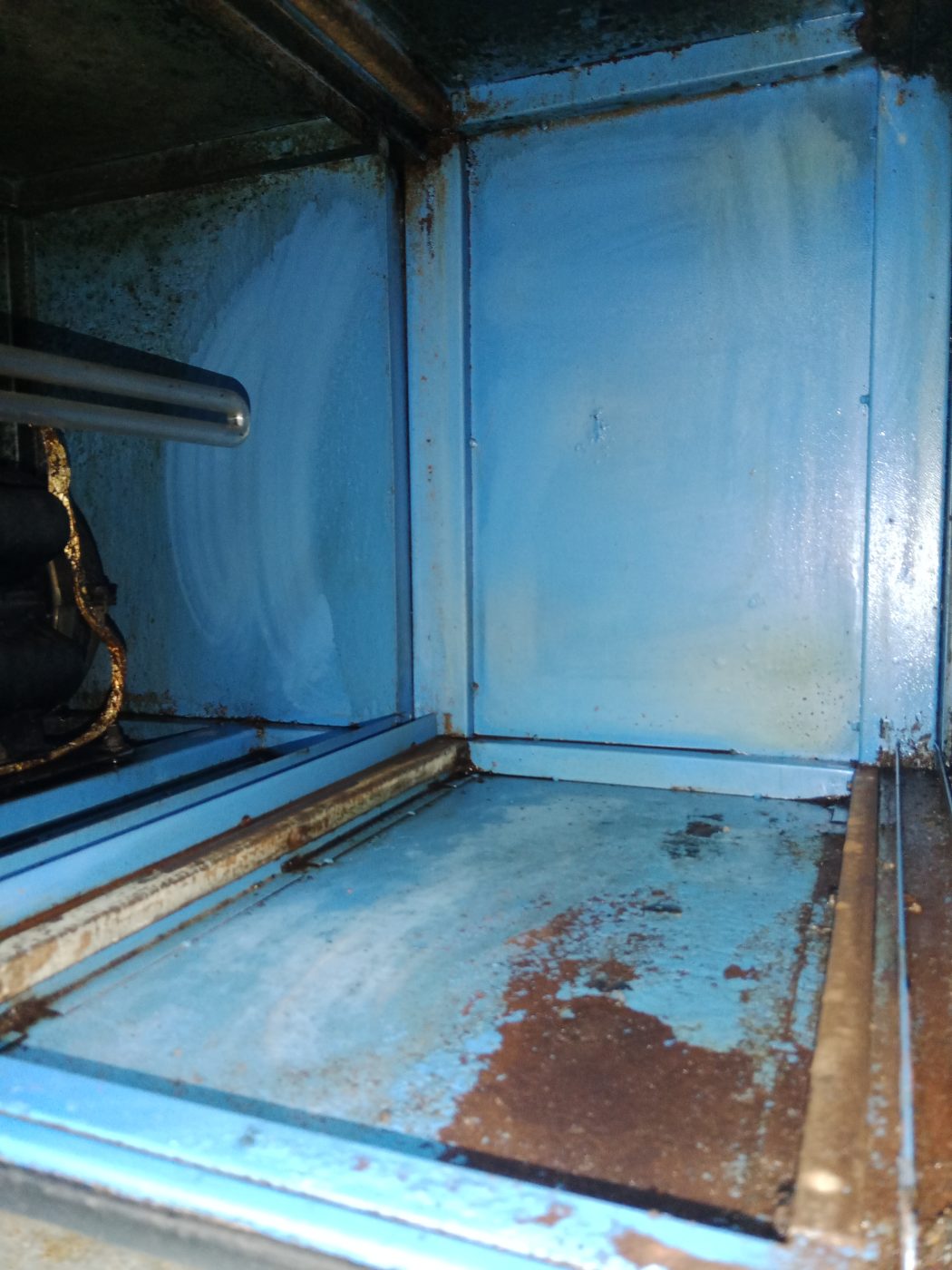
A kitchen hood fire suppression system is your last line of defence when a grease fire breaks out at the cooking line. We've seen firsthand how a well-maintained system stops a small flare-up from becoming a total kitchen loss — and how a neglected one fails exactly when it's needed most.
A kitchen hood fire suppression system is your last line of defence when a grease fire breaks out at the cooking line. We've seen firsthand how a well-maintained system stops a small flare-up from becoming a total kitchen loss — and how a neglected one fails exactly when it's needed most. If you run a commercial kitchen in Singapore, understanding this system isn't optional. It's part of keeping your licence, your people and your business intact.
The suppression system sits within or directly above your cooking hood. When a fire is detected — typically through a fusible link or a heat detector — the system releases a suppressant agent through nozzles aimed at the cooking surface, the plenum area and the exhaust duct collar. The agent smothers the fire by cutting off its oxygen supply and, depending on the system type, by cooling the fuel source as well.
At the same time, a properly integrated system will automatically shut off the fuel supply to your cooking equipment — gas burners, fryers, woks — and trigger an alarm. That automatic fuel shut-off is not a bonus feature. It is a fundamental part of how these systems prevent re-ignition after the initial suppression.
What makes commercial kitchen fires particularly dangerous is the fuel source: accumulated grease. Grease ignites at a relatively low temperature, burns intensely and can travel up an exhaust duct very quickly. A suppression system that is correctly specified for your cooking load and duct configuration buys critical time — and in many cases, stops the fire entirely before it reaches the ductwork.
This is something we see operators and even some contractors overlook. Your suppression system and your exhaust system are not independent of each other — they are designed to work together. If either one is wrong, both underperform when it matters.
Every commercial kitchen exhaust system accumulates grease over time. It deposits on baffle filters, on the inner walls of the plenum, on the duct surfaces and on the fan housing. The rate of build-up depends on your cooking volume, your cooking method and how well your hood is capturing the effluent at the source.
Grease is fuel. A suppression system is designed to suppress a fire at the cooking surface. It is not designed to fight a fully developed duct fire fed by months of grease accumulation. We've attended kitchens where the suppression system discharged correctly, knocked down the cooking surface fire — and then a duct fire started anyway, because the duct had not been properly cleaned. The two problems are connected.
If your exhaust fan is undersized, or if your variable speed drive has been set incorrectly to save electricity, you get reduced capture velocity at the hood face. Grease-laden vapour that isn't captured doesn't just drift into the kitchen — it settles on surfaces, including surfaces your suppression nozzles don't reach. We always look at the whole exhaust system when we're assessing a suppression installation, not just the hood itself.
In Singapore, the relevant authorities for commercial kitchen fire suppression include SCDF and NEA, and depending on the building, BCA requirements may also apply. We always confirm the exact current requirements with the relevant authority before quoting, because these requirements can be updated and vary by occupancy type and cooking equipment.
What we can tell you from experience is this: suppression systems in commercial kitchens are generally required to be installed, inspected and maintained by qualified parties, and the system must be appropriate for the type of cooking taking place. A system specified for light-duty cooking is not adequate for a high-volume wok kitchen. Getting that specification wrong is not just a compliance failure — it's a genuine safety failure.
Beyond installation, regular inspection and maintenance are required. Fusible links degrade over time. Nozzles can become blocked with grease. Suppressant agent has a service life. A system that looks intact on the outside may not function correctly when it activates. We carry out suppression system inspections as part of our broader kitchen exhaust maintenance work, and we keep records that our clients can produce for inspections.
We've seen the results. A fusible link that should have triggered at a set temperature had been painted over during a kitchen renovation — it didn't trigger at all. Suppression nozzles that had been repositioned when new cooking equipment was installed were no longer aimed at the hazard zones. A system that was last serviced several years ago had a depleted agent cylinder that would have discharged inadequately even if everything else had worked.
None of these are unusual situations. They happen in busy kitchens where the suppression system is out of sight and therefore out of mind. The consequences range from insurance disputes to loss of life. We don't say that to alarm you unnecessarily — we say it because it's what the evidence from real kitchen fires shows.
Because we fabricate and stock our own components — including control panels, electric motors, MV fans and associated parts — we understand how the mechanical and electrical sides of a kitchen exhaust system interact with the suppression system. When we look at a kitchen, we're looking at the whole picture: hood design, airflow, grease loading, filter condition, duct cleanliness and suppression coverage together.
We carry our own BC Air chemical degreasing series, which means our cleaning work actually reduces the grease fuel load in your ductwork — not just moves it around. A clean duct is a safer duct, and a safer duct means your suppression system is working in the environment it was designed for.
Our team is on standby 24 hours a day, seven days a week. If you have a suppression system discharge — planned or emergency — we can get into your kitchen, assess the damage, clean up the suppressant residue, inspect your exhaust system and get you back into service as quickly as possible.
In our experience, most commercial kitchens should have their suppression systems inspected at least every six months. High-volume operations — central kitchens, hotel banquet kitchens, large food courts — may need more frequent checks. We always align suppression servicing with exhaust duct cleaning schedules, because the two are directly related in terms of fire risk.
Yes, significantly. Grease accumulation in ductwork is one of the primary causes of kitchen fires escalating beyond the cooking surface. When we clean a duct properly — not just the accessible sections but the full run including the fan housing — we're removing the fuel that a duct fire would feed on. A suppression system is not a substitute for a clean duct. They work together.
The suppression system must be appropriate for the type and volume of cooking in your kitchen. A system suitable for a light café is not adequate for a wok kitchen running at high heat with heavy oil use. We always confirm the specification against the cooking equipment and the authority requirements before recommending a system. Getting this wrong creates both a safety risk and a compliance risk.
Do not restart cooking equipment until the system has been inspected and reset by a qualified party, the suppressant residue has been cleaned from all surfaces, and the cause of the fire has been identified and addressed. We run a 24/7 standby service specifically for situations like this — call us and we'll assess the kitchen, clean up and advise on what needs to happen before you reopen.
Requirements depend on your kitchen type, size, cooking equipment and building classification. We always verify the current requirements with SCDF and NEA before advising clients, because the rules can vary and are periodically updated. What we can say with confidence is that for most commercial cooking operations in Singapore, some form of fire suppression provision is required — and even where it isn't strictly mandated, the risk profile of a commercial kitchen makes it a very serious consideration.
We design, clean, repair and maintain commercial kitchen exhaust systems across Singapore — on 24/7 standby.