
08 Jul 2026 · Fire Safety
A kitchen hood fire suppression system is your last line of defence when grease ignites in the exhaust duct. Without it — or with a poorly maintained one — a grease fire can travel through your entire duct system in minutes. We've seen it happen, and the damage is always worse than owners expect.
A kitchen hood fire suppression system is your last line of defence when grease ignites in the exhaust duct. Without it — or with a poorly maintained one — a grease fire can travel through your entire duct system in minutes. We've seen it happen, and the damage is always worse than owners expect. The suppression system doesn't work in isolation either: it's only as effective as the exhaust hood, ductwork and grease management behind it.
When a grease fire breaks out at the cooking surface or inside the exhaust plenum, the suppression system activates automatically. Nozzles discharge a wet chemical agent — typically a potassium-based solution — directly onto the cooking equipment and into the hood plenum. At the same time, the system should be interlocked to shut down fuel supply to the cooking equipment and, in many configurations, to stop the exhaust fan.
That fan interlock is something we pay close attention to on every job. If the exhaust fan keeps running during a fire, it draws flames and heat deeper into the ductwork — the opposite of what you want. Getting the suppression system and the exhaust controls working together correctly is not optional. It's the difference between a contained incident and a full duct fire that shuts you down for weeks.
Grease is fuel. Every kitchen produces it, and in a busy commercial environment — a hawker stall running wok burners all day, a hotel banquet kitchen doing back-to-back service — grease accumulates fast. It coats the inside of the hood filters, the plenum, the duct walls and the fan housing.
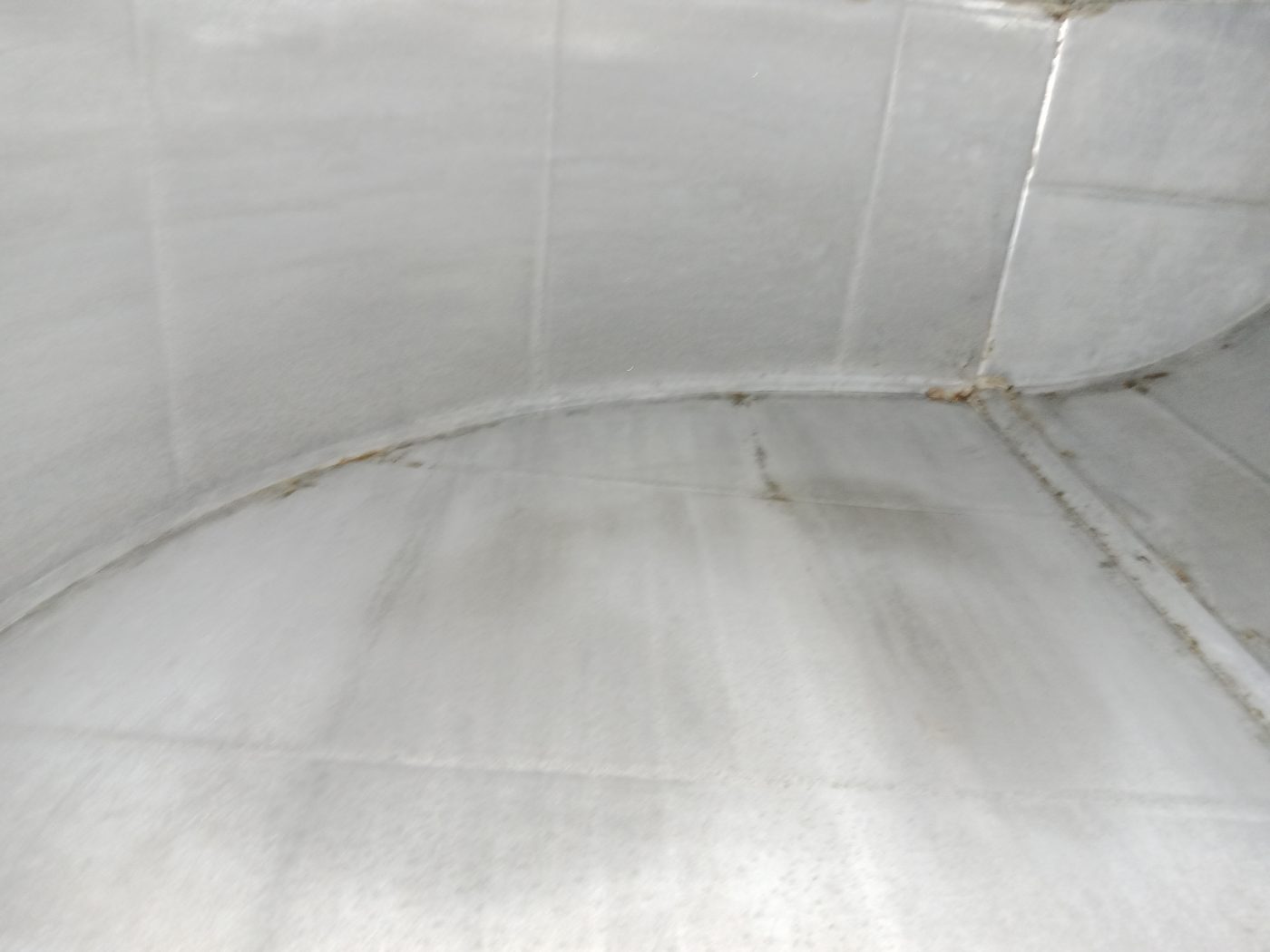
We clean commercial kitchen exhaust systems for a living, and we can tell you that the difference between a lightly used system and a neglected one is dramatic. On one kitchen we serviced, the duct walls had a grease layer thick enough that a small ignition inside the hood would have had more than enough fuel to sustain a serious fire well past the cooking station.
This is why regular exhaust cleaning is not separate from fire safety — it is fire safety. The suppression system protects you at the moment of ignition. Clean ductwork limits how far and how fast a fire can travel if suppression is delayed or partially effective.
In Singapore, commercial kitchen exhaust and fire suppression sit across several regulatory frameworks. SCDF sets requirements around fire protection for commercial cooking equipment, including suppression systems and duct construction standards. NEA governs grease trap management and, in the context of exhaust, odour and emissions compliance. BCA requirements touch on building services and ductwork construction.
We always confirm the exact requirement with the relevant authority before quoting on any installation or upgrade — the specific clauses that apply to your kitchen depend on its classification, occupancy, cooking type and whether you're in a new build or an existing tenancy fit-out. What we can say with confidence is that an uninspected, uncleaned suppression system will not meet the intent of these requirements, even if it was correctly installed on day one.
This is where our background in exhaust design and fabrication matters. A suppression system is specified around a particular hood geometry, nozzle placement and cooking equipment layout. If someone later modifies the hood, changes the cooking lineup or extends the ductwork without updating the suppression design, the system may no longer provide full coverage.
When we design or retrofit an exhaust system, we look at the suppression requirements alongside the ventilation requirements. They inform each other.
The suppression system itself should be inspected and serviced by a qualified agent on a schedule that matches your cooking volume and the manufacturer's requirements — typically every six months for a busy kitchen. Our fire suppression system maintenance and servicing page sets out what a service visit includes and how we schedule it. Your exhaust cleaning schedule should be aligned with the same risk assessment.
We run a 24/7 standby service because kitchen equipment failures and compliance issues do not wait for office hours. If an inspection throws up a deficiency — a discharged cylinder, a blocked nozzle, a failed interlock — you need it resolved before the next service, not at the next scheduled visit.
In our experience, the sequence is almost always the same. A hot spot ignites accumulated grease in the plenum or lower duct. If the suppression system activates cleanly and the fan shuts down, the fire is typically contained. If the nozzle is blocked, the cylinder is low, or the interlock has been bypassed — and we have seen all three — the fire travels. Once it's in the main duct run, it's a structural fire. Sprinklers in the ceiling won't reach it. The fire brigade will, but by then you're looking at significant duct replacement, potential structural damage and a lengthy closure.
The cost of a proper maintenance programme across several years is a fraction of one serious incident. That's not a sales pitch — it's arithmetic.
It depends on your equipment type, the authority's classification of your cooking process and your tenancy requirements. Light cooking — think toasters, convection ovens, no open flame — is often treated differently from heavy cooking involving woks, deep fryers or charcoal grills. We always recommend confirming with SCDF and your building management before assuming you're exempt. Getting this wrong at fit-out stage is an expensive correction later.
No. The suppression agent cylinders, nozzle integrity and interlock testing all require a qualified service agent. What your team can and should do is keep the hood and filters clean between scheduled services — that directly affects how much work the suppression system has to do if something goes wrong. We can train your kitchen staff on basic filter hygiene as part of our maintenance programme.
They're two parts of the same fire risk management approach. We clean the exhaust system — hood, plenum, ductwork, fan — to remove the grease that would otherwise fuel a fire. The suppression system handles ignition events. If the ductwork is heavily contaminated, even a functioning suppression system may not prevent fire from spreading beyond the hood zone. We recommend both be reviewed together on the same visit where possible.
This is more common than it should be — ductwork that was installed without adequate clean-out access points. We can retrofit access panels in most duct configurations. It adds a one-off cost, but it makes ongoing cleaning compliant and properly documented. Without it, you can't demonstrate to NEA or your insurer that the system has been maintained to standard.
Start with a full inspection of the exhaust system and suppression system before you begin operations. We see a lot of incoming tenants who assume the previous operator left things in order. Sometimes they did. Often there's accumulated grease, a discharged suppression cylinder or an exhaust fan running outside its design parameters. A proper inspection before your first service gives you a clean baseline — and protects you from inheriting someone else's liability.
If you'd like us to inspect your kitchen exhaust system or discuss how your suppression setup connects to your ventilation design, get in touch for a no-obligation quotation. Our team is available around the clock — we run a 24/7 standby service precisely because kitchen operations don't stop when the office closes.
We design, clean, repair and maintain commercial kitchen exhaust systems across Singapore — on 24/7 standby.