
24 Jun 2026 · Cleaning & Compliance
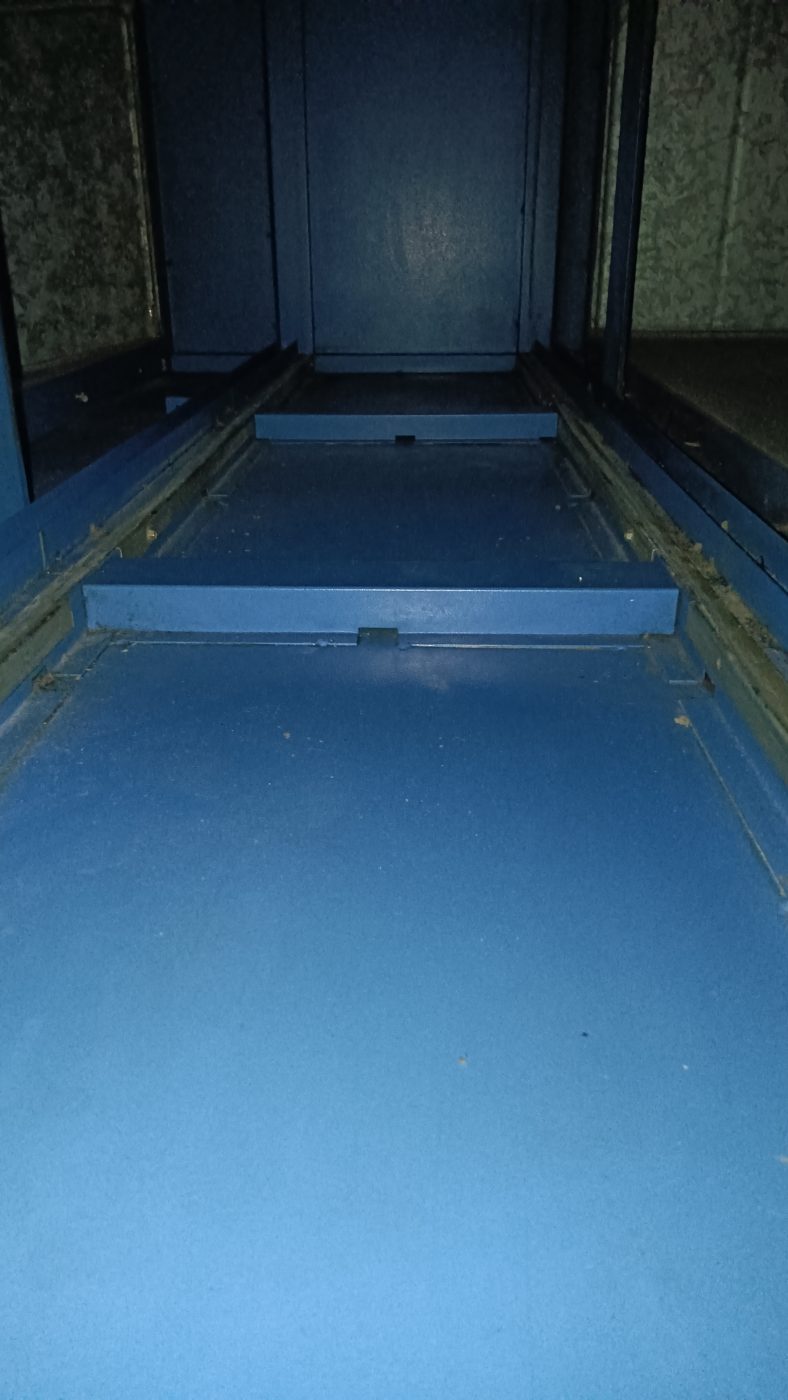
A proper kitchen exhaust cleaning service covers every component grease can reach: hood filters, canopy interior, grease trap, the full duct run, the exhaust fan housing and blades, and the discharge point. In our experience, anything left out is a fire and compliance risk waiting to happen.
A kitchen exhaust cleaning service should cover every surface that grease contacts — from the filter at the hood face all the way to the discharge point on the roof or external wall. We've been into hundreds of commercial kitchens across Singapore, and the single most common problem we find is a system that looks clean at eye level but is packed with grease inside the ductwork and around the fan. That gap between what's visible and what's actually clean is where fires start and where NEA and SCDF compliance breaks down.
The hood is the part your staff can see and wipe down daily. The ductwork behind it is a different matter entirely. Grease vapour cools as it travels through the duct, and that condensed grease coats the internal surfaces. Over months of operation — especially in high-volume kitchens doing wok cooking or deep frying — that build-up reaches a thickness where it becomes a serious fuel load. A fire that starts at the burner can travel up into a grease-laden duct and turn into something the suppression system cannot handle alone.
When we take on a cleaning job, we clean the entire accessible duct run: every straight section, every bend, every riser. We use our own BC Air chemical degreaser series, formulated for the heavy carbonised grease you get in Singapore's high-heat, high-volume kitchens. We don't stop at the first access panel we find — we work through the system.
Baffle filters or mesh filters are removed and soaked or machine-washed. The interior surfaces of the canopy — including the grease gutter and collection trough — are degreased and wiped down. This is the starting point, not the whole job.
Every compliant hood has a grease collection point. We check that it's properly seated, that it hasn't been removed, and that it's clear of accumulated grease before we leave.
This is the core of what we do. We open existing access panels, and where access is inadequate, we advise on cutting additional ones. We scrape and degrease the internal duct walls. In heavily built-up systems, this can take considerably longer than the hood clean — which is normal. A contractor who quotes a fast, cheap price and spends forty-five minutes on-site has almost certainly not cleaned the duct properly.
The MV fan or inline exhaust fan accumulates grease on its impeller blades. This matters for two reasons: fire risk and performance. A grease-coated impeller is both a fuel source and a cause of imbalance and reduced airflow. We clean the fan housing, the blades, and the accessible motor area. We also take the opportunity to check for signs of bearing wear, unusual vibration or belt condition — because we stock and service these fans ourselves, we know what to look for.
The point where exhaust air leaves the building is often overlooked entirely. Grease accumulates at the louvre or discharge cowl, and in multi-tenancy buildings, a blocked or restricted discharge can cause back-pressure that affects the whole system. We inspect and clean this as part of the scope.
A cleaning job without paperwork is not a compliance job — it's just a clean. After every service we carry out, we provide a written service report that records what was cleaned, the condition found before and after, any defects noted, and recommendations for follow-up work or frequency adjustments. This documentation is what you present to NEA or your building management when compliance is queried. If your current contractor doesn't provide this, that's worth addressing.
We also apply cleaning certification stickers where required, noting the date of service and due date for the next clean. Grease build-up frequency depends on your cooking load — a busy zi char kitchen and a sandwich café are not on the same schedule.
There's no single answer that applies to every kitchen. The relevant authorities in Singapore give guidance on maintenance requirements, and we always confirm the exact requirement with NEA and the relevant authority before advising a client. What we can say from our own experience is this: cooking type and volume drive frequency more than anything else. High-temperature wok cooking with heavy oils can demand cleaning every one to two months. A lower-volume operation may be fine quarterly. We assess the system condition during each visit and advise accordingly — we'd rather tell you the truth than sell you more cleans than you need, or fewer than are safe.
Yes — and this is where working with a specialist rather than a general cleaning contractor makes a practical difference. When we're inside the system, we're looking at more than grease. We check whether the fan is drawing adequate airflow, whether control panels and variable speed drives are functioning correctly, whether there are signs of duct leakage, and whether any components are approaching the end of their serviceable life. We carry our own stock of motors, fan parts and control components, so if something needs to be addressed, we can often handle it in the same visit or schedule a prompt follow-up without waiting on third-party suppliers.
It depends on the system size, layout and how long it has been since the last proper clean. A straightforward single-canopy system in a small restaurant might take two to three hours. A central kitchen or food court with multiple hoods, long duct runs and rooftop fans can take a full day or more. We scope the job before we quote so there are no surprises on the day.
Usually the cleaning is scheduled during off-peak or closed hours — early morning, late night, or a rest day. This protects your kitchen team from chemical exposure and means we can do a proper job without working around active cooking. We run 24/7 standby operations, so scheduling around your hours is something we do routinely.
The risk is grease accumulation beyond what's safe or compliant. In the worst case, that means a duct fire that your suppression system may not fully contain. On the compliance side, an inspection that finds inadequate maintenance records or excessive grease build-up can result in notices and operational disruption. We've been called in after both situations — it's always more disruptive and more expensive to deal with after the fact than to maintain a proper schedule.
No. Every job we take on is done by our own team. We don't use sub-contractors for cleaning, fabrication, repair or any other part of the work. That's how we maintain consistent quality and accountability — the person who cleans the system is the same organisation that services the fan, designs the duct and picks up the phone if something goes wrong at 2am.
We use our own BC Air chemical degreaser series, developed for the grease loads found in Singapore commercial kitchens. After application and cleaning, surfaces are thoroughly rinsed. We follow safe chemical handling procedures on every job, and our team is trained in their proper use. If you have specific concerns about chemical use in your kitchen environment — for example, in a facility with sensitive preparation areas nearby — let us know when you enquire and we'll discuss the approach with you.
We design, clean, repair and maintain commercial kitchen exhaust systems across Singapore — on 24/7 standby.