
30 Jun 2026 · Cleaning & Compliance
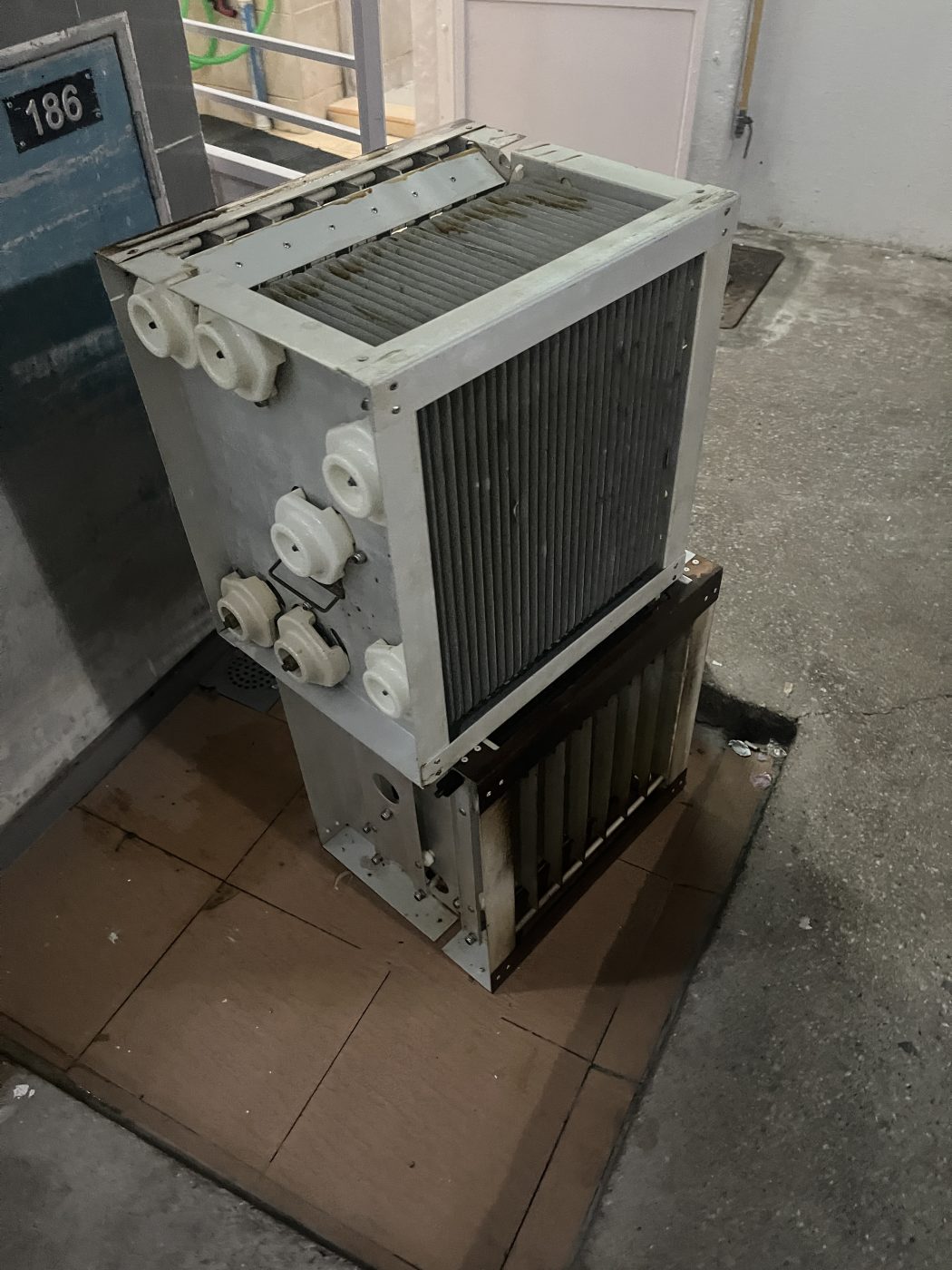
A proper kitchen exhaust cleaning service should cover the entire airflow path — hood filters, canopy interior, grease duct, exhaust fan, and discharge point. Grease build-up at any one of these points is a fire hazard. In our experience, most problems we're called out to fix trace back to a partial clean that missed the ductwork or fan.
Grease-laden vapour doesn't stop at the filter. It travels with the airstream through every bend, joint, and straight run of ductwork until it exits the building. At every surface it touches, a thin film of grease deposits and builds up over time. The hotter and busier your kitchen, the faster that build-up occurs.
A single unclean section — say, a horizontal duct run above a false ceiling — can accumulate enough grease to sustain a fire even if everything else is spotless. That's why we always scope the full system before we quote, and why we clean from hood to discharge, not just the parts that are easy to reach.
These are the first line of defence and they clog fastest. We remove them, soak them in our own BC Air degreasing chemical series, scrub them clean, rinse, and inspect for damage before reinstalling. Bent or corroded baffles don't filter properly — if we spot any during a clean, we'll flag it immediately.
The interior of the canopy collects a heavy grease film, especially around the filter mounting frame and the plenum chamber behind it. We degrease all internal surfaces and wipe down the exterior. This matters for hygiene audits, and it also lets us spot any corrosion or weld failures early.
Most hoods have a grease collection trough or cup beneath the filters. These need to be emptied and cleaned at every service — a full cup overflows back onto cooking equipment or, worse, drips into a flame. We always check and clear these as part of the hood clean.
This is the section most often shortchanged. Ductwork runs through walls, ceiling voids, and risers, and accessing it properly requires opening inspection hatches or, where they don't exist, cutting and patching access panels. We carry out the full duct clean using pressure washing equipment and our degreasing chemicals, working from access point to access point. We also verify that the ductwork has adequate access hatches at the intervals required by the relevant authorities — and we advise clients where additional hatches should be installed if they're missing.
By the time air reaches the fan, it still carries residual grease. The fan impeller accumulates a thick coating that throws the blade balance off over time, causing vibration, bearing wear, and eventually motor failure. We clean the impeller and housing, check belt tension where applicable, and listen for any bearing noise while the fan is running. If something sounds wrong, we say so — we stock motors, MV fans, and parts in-house, so we're not guessing at lead times when a repair is needed.
The discharge point — whether it's a roof cowl, a wall louvre, or a discharge plenum — needs to be checked and cleared. A partially blocked discharge raises static pressure across the whole system, reducing airflow and making the fan work harder than it should. We clear any grease build-up and check that the cowl or louvre is structurally sound and correctly oriented.
A cleaning service without proper records is only half a job. We issue a service report covering what was cleaned, any defects found, and photographic evidence where required. This documentation is what you present during NEA, SCDF, or third-party audits. We always recommend keeping these records on file for at least the duration your licence covers — we confirm the exact retention requirement with the relevant authority before advising clients.
Cleaning frequency depends on cooking volume, cooking method, and the type of food being prepared. A high-volume wok kitchen producing heavy smoke and grease vapour needs more frequent attention than a café or light-prep operation. As a general guide:
The honest answer is that frequency should be set by actual grease load, not by a fixed calendar. After your first clean with us, we'll give you an honest assessment of what interval makes sense for your operation.
Sometimes the system tells you before the calendar does. Watch out for:
Any of these is reason enough to call us. On more than one occasion, we've arrived for what a client thought was a routine service and found grease accumulation that was genuinely close to a fire situation. Early intervention is always cheaper and safer than the alternative.
Cleaning is a significant part of compliance, but it isn't the whole picture. NEA and SCDF have requirements covering system design, adequate airflow capacity, fire suppression, and access for inspection — not just cleanliness. We work across all of those areas, so when we carry out a clean, we're also looking at the system through a compliance lens. If we see something that needs to be reported or rectified to meet regulatory requirements, we'll tell you plainly and help you sort it out.
We schedule cleaning around your kitchen's operating hours — typically during a closed period, overnight, or in the early morning. For 24-hour operations, we plan with you to minimise disruption. Our team runs a 24/7 standby service, so scheduling around unsociable hours isn't a problem for us.
We use our own BC Air chemical degreasing series, which we've formulated specifically for commercial kitchen exhaust systems. After application and cleaning, we rinse surfaces thoroughly. We're happy to share the product data sheets if your food safety team needs to review them before we start work.
We document it and tell you straightaway. Because we fabricate and stock our own components — including fan parts, control panels, and ductwork — we can usually give you a repair option on the spot rather than leaving you waiting on a third party. Nothing gets done without your sign-off first.
Yes. We issue a written service report with details of what was cleaned, any findings, and photographs where applicable. We've supported clients through NEA inspections and SCDF fire safety audits, and we understand what inspectors typically want to see. If you're unsure what records you need to maintain, ask us — we'll give you a straight answer.
In our experience, yes — it usually is. Hood-only cleaning is extremely common, and it's also one of the main reasons we get called in after a grease fire incident or a failed inspection. The duct is where the heavy, sticky grease accumulates over months and years. We'd recommend letting us scope the full system so you know exactly what you're dealing with before the next inspection cycle.
If you'd like us to assess your kitchen exhaust system or put together a cleaning schedule that suits your operation, get in touch with us for a quotation. We're available around the clock — our 24/7 standby team is always on call for both planned work and urgent situations.
]]>We design, clean, repair and maintain commercial kitchen exhaust systems across Singapore — on 24/7 standby.