
13 Jul 2026 · Operations & Cost
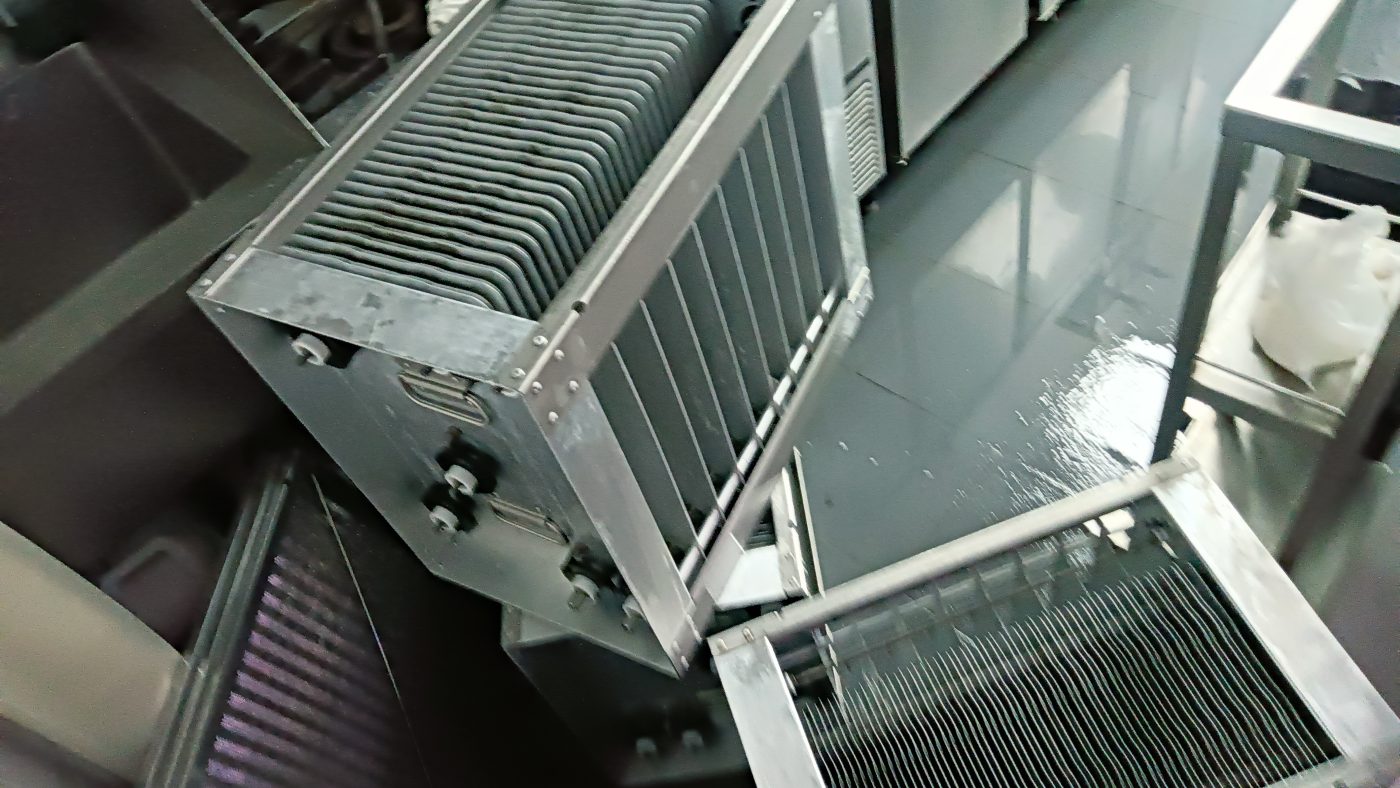
Budgeting kitchen exhaust upkeep across multiple outlets means accounting for scheduled cleaning cycles, preventive maintenance, on-call repairs and compliance checks at each site. We recommend treating exhaust upkeep as a fixed operational cost — not a reactive one — and consolidating service agreements across outlets to control spend and reduce downtime risk.
When you're running one outlet, kitchen exhaust upkeep is manageable — you know the system, you know roughly when it needs attention. But the moment you're across two, five, or ten sites, the cost and coordination complexity multiplies fast. We work with F&B groups and institutional operators across Singapore every week, and the number one gap we see isn't dirty ductwork — it's the absence of a proper budget plan for keeping those systems running. Here's how we think about it, and what we'd tell you over a cup of coffee.
In our experience, the problem almost always comes down to one of two things: exhaust maintenance gets lumped into a vague "general maintenance" line item, or it's treated as a reactive cost — you only spend money when something breaks or when an inspection is looming. Both approaches hurt you.
Kitchen exhaust systems carry grease-laden air every single service. That grease deposits on ductwork, fan blades, filters and dampers continuously. The longer the interval between cleanings, the thicker the deposit — and the higher the fire risk, the harder the clean, and the more wear on your motors and fans. Reactive budgeting almost always costs more than preventive budgeting. We've been called in after a kitchen fire linked to grease-choked ducts, and the cost to that operator — in equipment damage, lost trading days, and re-certification — dwarfed years' worth of scheduled servicing.
Before you can build a number, you need to understand what you're actually budgeting for. Across multiple outlets, we break it into four buckets:
This is your most predictable cost and should anchor the whole budget. Cleaning frequency depends on your cooking volume and grease load — a high-output wok kitchen needs more frequent attention than a light-prep café. NEA and SCDF both have expectations around grease removal and fire prevention; we always confirm the exact requirement with the relevant authority before quoting a service schedule, because it varies by system and usage type.
For multi-outlet operators, we strongly recommend consolidating cleaning contracts across all sites with one specialist. You get consistent documentation, consistent standards, and you're in a far stronger position to negotiate service rates. We manage accounts this way for several F&B groups in Singapore — one agreement, all outlets covered, with a single maintenance log across the portfolio.
Your MV fans, electric motors, bearings, drive belts and control panels don't last forever, and they give you warning signs before they fail — if someone is actually looking. Preventive maintenance visits, typically quarterly or half-yearly depending on system intensity, include checking motor current draw, inspecting belt tension, testing variable speed drives, and cleaning fan blades of grease build-up that cleaning crews may not reach.
Because we fabricate and stock our own components — motors, MV fans, control panels, variable speed drives — we're not waiting on suppliers when something needs replacing during a maintenance visit. That matters for multi-outlet operators because a failed fan at a busy outlet is a trading-day problem, not just a maintenance problem.
If your outlets use carbon banks or germicidal UV systems for odour control — and in many Singapore locations, you'll need them — these have their own service intervals. Carbon media has a finite lifespan and needs replacement on a schedule tied to odour load. UV lamps degrade over time even if they're still illuminated. We supply and service both, and we factor these into multi-outlet maintenance plans so replacements happen before performance drops, not after a complaint from a neighbouring tenant or a visit from the authorities.
Even with the best preventive schedule, things break. A motor trips at midnight before a Saturday lunch service. A damper seizes. A control panel faults. This is where having a 24/7 standby service matters — and where multi-outlet operators need to be especially careful about who they're relying on.
For budgeting purposes, we advise clients to set aside a contingency per outlet per year for unplanned repairs. The amount varies by system age and complexity, but the key point is to have it in the budget rather than scrambling for approval when a fault occurs at 2am on a public holiday. We run round-the-clock standby precisely because kitchen operations don't stop at 5pm.
The most practical approach we've seen work well is to build a per-outlet maintenance profile first, then aggregate upwards. For each outlet, document:
Once you have that picture per outlet, you can build a consolidated annual budget with scheduled costs as fixed line items and a contingency pool sitting across the portfolio. We can help you build that outlet-by-outlet profile as part of an initial site assessment — it's how we start most multi-outlet engagements.
Beyond the mechanical, there are compliance-related costs that operators sometimes forget to budget for. These include re-certification after any system modification, documentation for NEA, SCDF or BCA inspections, and any remediation work if an inspection finds a deficiency. If you're opening new outlets or refitting existing ones, the design and build cost of a compliant exhaust system is a separate capital item — but the ongoing compliance cost of keeping that system in spec is an operational one.
We always tell clients: a well-maintained, well-documented system makes inspections straightforward. An unmaintained one turns a routine visit into an expensive remediation project. Good records across all your outlets — service dates, cleaning logs, repair history — are themselves a form of cost control.
We've seen both approaches, and in our experience, fragmented contractors almost always cost more over time. Different contractors have different standards, different documentation formats, and no shared knowledge of your systems. When something goes wrong at one outlet, nobody has the full picture. A single specialist who knows every site, every system, and every service history is far more efficient — and when that specialist does everything in-house with no sub-contracting, the accountability is clear.
That's how we operate. Design, fabrication, cleaning, maintenance, repairs — all done by our own team. For multi-outlet operators, that means one point of contact, one set of records, and one team that already knows your kitchens when they show up.
It depends on your cooking type and throughput. A heavy wok or charcoal kitchen may need cleaning every one to three months; a lighter-prep operation might be on a quarterly or half-yearly schedule. We assess grease load at each outlet and recommend a frequency that keeps ducts safe and compliant — then we document every clean so you have a full audit trail.
Absolutely, and we'd encourage it. We manage portfolio agreements for multi-outlet F&B operators regularly. A consolidated agreement means scheduled visits are coordinated across your sites, documentation is centralised, and you have one point of contact for everything from routine cleaning to emergency callouts. It also makes it significantly easier to demonstrate compliance across the board during inspections.
We run a 24/7 standby service for exactly this reason. A kitchen exhaust failure at midnight before a full-day service is an operational emergency, not something that can wait until Monday morning. We carry our own stock of motors, MV fan components and control panels, so we're not waiting on parts when we arrive on site.
Older systems need a realistic contingency allocation — not just a hope that nothing breaks. When we assess an older system, we give you an honest view of its condition, what's likely to need attention in the next twelve months, and what the replacement cost would be if it reaches end of life. That way you can make an informed capital versus operational budget decision rather than being caught off guard mid-year.
They add a predictable, manageable cost — and it's far easier to budget for scheduled carbon replacement or UV lamp changes than to deal with a tenant complaint or an authority notice because your odour control has degraded. We supply our own carbon banks and germicidal UV systems, and we factor replacement intervals into your maintenance plan so there are no surprises.
If you're managing kitchen exhaust upkeep across multiple outlets and want a clear-eyed budget plan built around your actual systems, get in touch with us for a site assessment and quotation. Our team is available around the clock — because we know your kitchens don't keep office hours.
We design, clean, repair and maintain commercial kitchen exhaust systems across Singapore — on 24/7 standby.